CNA Salary: How Much Does a CNA Make?

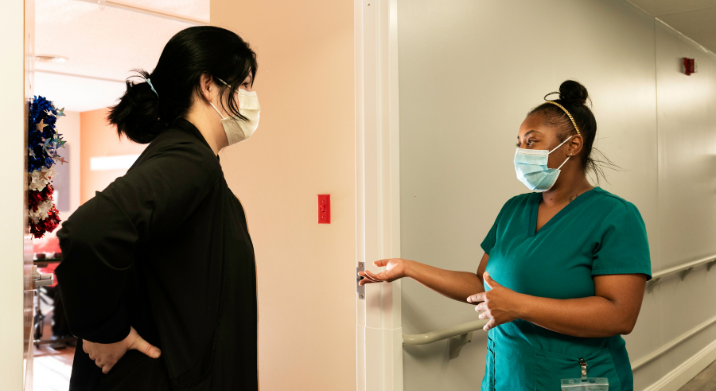
A CNA working

If you are wondering how much a CNA makes annually, the answer depends on several variables, including where you work, the type of facility, years of experience, and shift schedule. CNA salary figures vary across the country and across different healthcare settings, which is why it is important to look at data from a reliable source before drawing conclusions. 

All wage figures referenced throughout this article are sourced from the U.S. Bureau of Labor Statistics (BLS) Occupational Employment and Wage Statistics (OEWS) program and the BLS Occupational Outlook Handbook, which publish annual wage estimates based on employer surveys across the country.

How much does a CNA make on average? CNA pay is not a fixed number and completing a CNA program does not guarantee any specific wage or outcome. Actual earnings depend on employer, geographic location, experience, and market conditions.

Thinking about becoming certified? Explore CNA education options near you.


What Is the Average CNA Salary?

According to the U.S. Bureau of Labor Statistics, the median annual wage for nursing assistants was $39,530 in May 2024, which works out to approximately $19.00 per hour based on full-time hours.* The median wage means that half of all nursing assistants earned more than this amount and half earned less. It is a national estimate and reflects a wide range of work settings, geographic locations, and experience levels.

CNA yearly salary figures are averages, not guarantees. According to the BLS, the lowest 10 percent of nursing assistants earned less than $31,390, while the highest 10 percent earned more than $50,140 in May 2024.* This range reflects the significant variation that exists across states, settings, and employers.

According to the U.S. Bureau of Labor Statistics, salary estimates vary based on location, employer, and experience. Completing a CNA program does not guarantee any specific wage upon certification.

*Source: U.S. Bureau of Labor Statistics, Occupational Outlook Handbook, Nursing Assistants and Orderlies, May 2024. https://www.bls.gov/ooh/healthcare/nursing-assistants.htm


What Factors Affect CNA Pay?

A CNA

Several factors influence CNA pay rate and CNA income beyond the national average.

Geographic Location

Where a CNA works is one of the most significant factors affecting wages. Urban areas and major metropolitan regions tend to offer higher wages than rural areas, largely due to higher operating costs for facilities and greater competition for qualified staff. State-level differences in minimum wage laws and healthcare funding also play a role. CNA pay in a large city in California may differ substantially from CNA pay in a rural area of the same state.

Years of Experience

Entry-level CNAs typically earn wages closer to the lower end of the reported range for their state or setting. As CNAs gain experience and demonstrate proficiency in patient care responsibilities, some employers adjust compensation accordingly, though this varies significantly by employer and facility type. Experience alone does not guarantee wage increases. Compensation decisions are made at the individual employer level.

Shift Differentials

Because hospitals and residential care facilities provide care around the clock, CNAs who work evening, overnight, weekend, or holiday shifts may receive shift differentials (additional pay added to the base hourly rate for those hours). Shift differential policies vary by employer and are not universal. Candidates interested in shift differential opportunities should confirm policies directly with prospective employers.

Specialized Settings and Additional Skills

CNAs who work in specialized care environments, such as memory care units, rehabilitation centers, or facilities serving patients with complex medical needs, may receive higher base wages in some settings. Additional credentials, such as CPR certification or specialized dementia care education, may also be valued by certain employers, though they do not guarantee higher pay.

Do CNAs Earn Different Wages in Different Healthcare Settings?

CNA salary figures can vary across different types of healthcare employers. The table below reflects general pay trends by workplace setting based on BLS industry data. These are general patterns, not guarantees.

Workplace General Wage Trend
Hospitals Often above the national median
Skilled Nursing Facility Generally near or below the national median
Rehabilitation Center Varies by employer and location
Assisted Living Generally moderate; varies by employer
Home Health Varies widely by agency and location

*Source: U.S. Bureau of Labor Statistics, Occupational Outlook Handbook, Nursing Assistants and Orderlies, May 2024. https://www.bls.gov/ooh/healthcare/nursing-assistants.htm

Hospitals tend to report wages above the national median for CNAs, which may reflect higher staffing demands, around-the-clock operations, and the intensity of care provided. Skilled nursing facilities employ the largest number of CNAs nationally but tend to offer wages closer to or below the national median. Home health wages vary significantly depending on whether the position is through an agency, a registry, or a direct-hire arrangement.


What Is the Typical Starting Wage for a CNA?

CNA starting salary figures are not published separately by the BLS, which reports median and mean wages across all experience levels. The BLS reported that the lowest 10 percent of nursing assistants nationally earned less than $31,390 in May 2024, though individual employer offers vary.*

Many people ask “how much does a CNA get paid when starting out?” The answer to this question also depends on the employer's base wage structure, whether shift differentials apply, and local market conditions. Completing a CNA program and earning certification does not guarantee any specific starting wage. Actual earnings depend on employer, geographic location, experience, and market conditions at the time of hire.

Interested in exploring CNA opportunities? Search for CNA programs near you.

*Source: U.S. Bureau of Labor Statistics, Occupational Outlook Handbook, Nursing Assistants and Orderlies, May 2024. https://www.bls.gov/ooh/healthcare/nursing-assistants.htm

Beyond Salary: What Other Benefits May CNAs Receive?

Wages are one component of overall compensation. Many employers offer additional benefits to CNA staff, though availability and specifics vary by employer. Common employer-provided benefits in the healthcare sector can include health, dental, and vision insurance coverage, retirement savings plan options such as a 401(k) or pension, paid time off including vacation days, sick leave, and holidays, shift differentials for evening, overnight, weekend, or holiday hours, continuing education support or tuition assistance for qualifying programs, and employee assistance programs and other workplace support resources.

Benefits vary significantly by employer, facility size, and work status. Part-time CNAs may have access to fewer or different benefits than full-time employees. Candidates should confirm benefits packages directly with prospective employers before accepting a position.


Is Working as a CNA Right for You?

Wages are one factor to consider, but the CNA role also has a distinct day-to-day profile that suits certain individuals well. People who find direct patient interaction meaningful, who are comfortable working in fast-paced healthcare environments, and who want to be part of a clinical team may find the role personally rewarding regardless of setting.

The work involves physical demands. Consider extended standing, bending, lifting, and assisting with patient mobility as consistent features of the role, as well as the ability to manage multiple patient care responsibilities simultaneously under nurse supervision.

Frequently Asked Questions

Disclaimer: The information in this article is provided for general informational purposes only. All wage and salary figures are sourced from the U.S. Bureau of Labor Statistics Occupational Employment and Wage Statistics (OEWS) program and Occupational Outlook Handbook, May 2024, and are provided for reference only. These are mean or median wage estimates and are not guarantees of individual earnings. Completing a CNA program does not guarantee any specific wage, outcome, or employment. Actual earnings depend on employer, geographic location, experience, work setting, and market conditions. Benefits vary by employer. Financial aid may be available to those who qualify; eligibility requirements vary and no financial aid is guaranteed.


What is a CNA?

A CNA

What is a CNA, and what does this role involve in a healthcare setting? A CNA (CNA stands for Certified Nursing Assistant) is a state-certified healthcare professional who provides direct patient care under the supervision of a licensed nurse. 

What is a CNA in practical terms? It is a foundational patient care role that sits at the core of daily healthcare delivery across hospitals, nursing homes, assisted living communities, rehabilitation centers, and home health environments.

This guide covers the CNA definition, what certified nursing assistants do on a daily basis, the skills the role requires, the requirements for earning the credential, and how to explore education options near you.

Ready to explore CNA education options? Use our search tool to find programs near you.

CNA Definition: What Does CNA Stand For?

CNA stands for Certified Nursing Assistant. The CNA definition refers to a state-issued credential that authorizes an individual to provide direct patient care in a licensed healthcare facility. The CNA meaning that medical professionals and employers use is consistent across the country: a CNA is a certified, registry-listed caregiver who delivers hands-on support to patients under nurse supervision.

What is a certified nurse assistant in the context of the healthcare team? CNAs occupy a foundational role. They are the members of the care team who spend the most direct, uninterrupted time with patients during a shift. They carry out tasks that support patient comfort, safety, and daily functioning, and they serve as an important link between patients and the licensed nurses who oversee their care plans.

CNA meaning extends beyond a professional title. The credential represents a specific set of verified competencies that are assessed through a state-administered competency exam, as well as a commitment to providing safe, dignified, and attentive care to individuals who need support with daily living activities.

CNAs work across a wide range of settings, including hospitals, skilled nursing facilities, long-term care centers, assisted living communities, rehabilitation centers, and home health environments. The setting shapes the pace of each shift and the patient population, but the core focus on direct patient care remains consistent across all of them.What Does a Certified Nursing Assistant Do?

People often ask, “What does a certified nursing assistant do on a typical shift?” The answer depends on the setting, but the core responsibilities are consistent across most care environments. 

What is a CNA in nursing terms? A CNA handles the direct, physical support that patients need throughout the day. These are tasks that make a meaningful difference in comfort, safety, and quality of care.

What is a CNA expected to handle? The role combines clinical observation with hands-on patient support, and requires both precision and compassion in equal measure.


Daily Responsibilities

The daily responsibilities of a CNA typically include the following:

  • Assisting patients with bathing, including bed baths, showers, and personal hygiene routines

  • Helping with dressing and undressing, including managing adaptive equipment or clothing for patients with limited mobility

  • Supporting grooming needs such as hair care, oral hygiene, shaving, and nail care

  • Assisting with mobility, including repositioning patients in bed, helping with transfers between bed and wheelchair, and supporting ambulation

  • Measuring and recording vital signs including blood pressure, pulse, respiratory rate, and temperature

  • Observing and documenting changes in patient condition and reporting findings to the supervising nurse

  • Assisting with meals and hydration, including setting up trays, helping with feeding, and monitoring intake

  • Helping maintain patient comfort throughout the shift, including responding to call lights, adjusting positioning, and providing emotional support


Where Do CNAs Work?

CNAs working

CNAs work across a broad range of healthcare settings. The most common include hospitals, where CNAs support nursing staff across medical, surgical, and specialty units. Nursing homes and skilled nursing facilities represent the largest single employer of CNAs nationally, according to the U.S. Bureau of Labor Statistics.* 

Assisted living communities rely on CNAs to support residents with daily living activities in a residential care environment. Rehabilitation centers employ CNAs to assist patients recovering from surgery, injury, or illness. Home health settings allow CNAs to provide care directly in a patient's residence, often providing individual attention to patients who need ongoing support.

*Source: U.S. Bureau of Labor Statistics, Occupational Outlook Handbook, Nursing Assistants and Orderlies. https://www.bls.gov/ooh/healthcare/nursing-assistants.htm

To explore foundational patient care concepts before enrolling in a program, visit our CNA lesson guide for free information on what a state-approved CNA curriculum covers.


What Skills Does a CNA Need?

The CNA role requires a combination of clinical competency and interpersonal ability. Both are developed through a state-approved education program and refined through clinical practice.

Technical Skills

The technical skills CNAs use on a daily basis include measuring and recording vital signs accurately, applying infection control protocols including proper hand hygiene and use of personal protective equipment, performing safe patient transfers using proper body mechanics and assistive devices, and documenting observations clearly and accurately in patient records. These skills are assessed as part of the state competency exam and are foundational to safe patient care.

Soft Skills

Beyond technical competency, the CNA role depends heavily on interpersonal skills. Effective communication with patients, families, and the nursing team is essential throughout every shift. Compassion shapes how CNAs interact with patients who may be experiencing pain, fear, or disorientation. 

Time management is critical because CNAs often manage the care needs of multiple patients simultaneously. Attention to detail matters when recording observations and recognizing changes in patient condition that need to be reported. 

Teamwork is central to the role, too, since CNAs operate as part of a broader care team and must coordinate closely with supervising nurses and other facility staff.


What Are the Requirements to Work as a CNA?

What is a CNA credential, and what does earning it require? The specific requirements vary by state, but the general framework is consistent across the country.

Candidates must complete a state-approved certified nursing assistant education program that includes both classroom instruction and supervised in-person clinical hours in a licensed healthcare facility. Upon completing the program, candidates must pass a two-part state competency evaluation consisting of a written or oral knowledge test and a hands-on clinical skills demonstration. Both sections must be passed to earn certification.

Once both portions are passed, the candidate's name is added to the state nurse aide registry, which employers are required to verify before hire. Many states also require candidates to pass a criminal background check before beginning clinical hours or working in a licensed facility. Candidates with substantiated findings of abuse, neglect, or misappropriation on any state registry may not be eligible for certification.


Is a CNA Role Right for You?

Not everyone is drawn to the same type of work in healthcare, and the CNA role has a distinct profile that suits certain individuals particularly well. People who find meaning in direct, hands-on patient interaction tend to find the role rewarding. 

The role suits individuals who are comfortable in fast-paced environments where priorities can shift quickly. Physical demands are a real part of the work. CNAs spend extended periods standing, bending, lifting, and assisting with patient mobility, so physical stamina is a practical consideration. Working as part of a close-knit care team, following established protocols, and operating under nurse supervision are all consistent features of the role regardless of setting.


Steps to Get Started as a CNA

Pursuing CNA certification follows a clear and consistent sequence of steps.

  1. Research your state's requirements. CNA certification requirements — including program hours, clinical minimums, and exam formats — vary by state. Visit your state's health or licensing authority website to confirm current requirements before enrolling in a program.

  2. Enroll in an approved CNA education program. Select a program that carries approval from your state's health authority. Programs are available through nursing homes, community colleges, technical schools, and hybrid providers that allow the classroom portion to be completed online.

  3. Complete classroom and clinical requirements. Programs include both didactic coursework covering patient care fundamentals, infection control, safety, and related topics, and supervised in-person clinical hours in an approved healthcare facility. Class, course, and program lengths may vary.

  4. Pass your state's competency evaluation. The exam includes a written or oral knowledge section and a hands-on clinical skills demonstration. Both portions must be passed to earn certification.

  5. Apply for your state registry listing. Once you pass the exam, your results are submitted to the state and your name is added to the nurse aide registry. Employers verify your registry status before you begin working in a licensed facility.

Search for CNA programs near you to get started today.


FAQs

Disclaimer: The information in this article is provided for general informational purposes only. CNA certification requirements, program structures, and clinical hour minimums vary by state and are subject to change. Always verify current requirements with your state's health or licensing authority before enrolling in a program. Completing a CNA program does not guarantee any specific outcome. Class, course, and program lengths may vary. Financial aid may be available to those who qualify; eligibility requirements vary and no financial aid is guaranteed. 

What Does a CNA Do​?

Female CNA nurse

If you are exploring a path in patient care and want to know what a CNA does on a day-to-day basis, this guide covers the full picture. A Certified Nursing Assistant provides direct patient care under the supervision of a licensed nurse, and the role is as much about human connection as it is about clinical procedure. 

From assisting with personal hygiene to monitoring vital signs and documenting observations, CNA duties span a wide range of physical, emotional, and administrative tasks that keep patients safe and comfortable throughout their care.


What Is a Certified Nursing Assistant?

A Certified Nursing Assistant, also referred to as a nurse aide or nursing assistant, is a state-certified healthcare professional who assists patients with activities of daily living and provides basic clinical support under nurse supervision. CNAs do not diagnose, prescribe, or independently administer medications in most states. Their scope of practice centers on direct, hands-on patient support, which is the foundational layer of care that keeps patients comfortable, safe, and monitored throughout their stay or treatment.

According to the U.S. Bureau of Labor Statistics, nursing assistants had a workforce size of nearly 1.4 million in May 2024, making the occupation the third-largest in the entire healthcare sector.*

*Source: U.S. Bureau of Labor Statistics, The Economics Daily, Nursing Assistants Week Recognizes the Third-Largest Healthcare Occupation. https://www.bls.gov/opub/ted/2025/nursing-assistants-week-recognizes-the-third-largest-healthcare-occupation.htm


CNA Duties and Responsibilities

The CNA job description varies by employer and setting, but the core CNA duties and responsibilities are consistent across facilities. Here is a detailed look at what CNAs do on a typical shift.

Personal Hygiene and Activities of Daily Living

One of the primary CNA responsibilities is assisting patients who cannot independently manage their personal care. This includes bathing, grooming, oral hygiene, dressing, and toileting. CNAs help maintain patient dignity throughout these tasks while following facility protocols and infection control standards.

Vital Signs Monitoring

CNAs measure and record vital signs, including blood pressure, pulse, respiratory rate, and temperature. Consistent monitoring allows the nursing team to detect changes in a patient's condition early. CNAs are responsible for accurately documenting these readings and reporting any abnormal findings to the supervising nurse promptly.

Mobility Assistance and Transfers

Many patients in care settings have limited mobility due to age, illness, or injury. CNA job duties routinely include repositioning patients to prevent pressure injuries, assisting with ambulation, and helping transfer patients between beds, chairs, and wheelchairs using proper body mechanics and assistive equipment.

Nutrition and Hydration Support

CNAs assist patients with meals by setting up meal trays, assisting with feeding as needed, and monitoring food and fluid intake. Accurate intake documentation is an important part of the description of CNA job responsibilities in most care settings.

Observation and Documentation

A significant part of what CNAs do involves careful observation. CNAs spend extended time with patients and are often the first to notice behavioral or physical changes. Reporting these observations accurately to the supervising nurse is a core CNA responsibility that directly affects patient outcomes.

Infection Control and Safety

CNAs follow strict infection control protocols, including proper hand hygiene, use of personal protective equipment, and safe handling of soiled materials. Maintaining a clean and safe environment for patients and staff is a daily component of the certified nurse assistant role.

Emotional Support and Communication

Beyond the clinical tasks, CNAs provide meaningful human connection. Patients in long-term care or hospital settings often experience anxiety, loneliness, or confusion. CNAs communicate with patients and families, offer reassurance, and serve as an important link between patients and the broader nursing team.

Want to explore what the coursework for these skills looks like? Visit our CNA lesson guide for information on what a state-approved CNA program covers.


Where Do CNAs Typically Work?

The CNA job description looks different depending on the setting. According to the BLS, nursing care facilities have the largest concentration of CNAs, followed closely by general medical and surgical hospitals.*

Other common settings include continuing care retirement communities and assisted living facilities, home health environments, rehabilitation centers, outpatient clinics, and correctional facilities. The setting shapes the pace of the shift, the patient population, and the specific CNA duties performed daily.

Because nursing and residential care facilities provide care around the clock, CNAs may work day, evening, or overnight shifts. According to the BLS, most nursing assistants work full time, though part-time schedules are also available in many facilities. Night, weekend, and holiday availability is often part of the job requirements of a CNA in inpatient settings.*

*Source: U.S. Bureau of Labor Statistics, Occupational Outlook Handbook, Nursing Assistants and Orderlies. https://www.bls.gov/ooh/healthcare/nursing-assistants.htm

Use our CNA program location search to find state-approved programs near you and take the first step toward earning your certification.


What Skills Are Needed to Be a CNA?

The job responsibilities for a CNA require a specific combination of technical competency and interpersonal ability. Key skills include the following.

Physical stamina is essential, as the role involves extended periods of standing, bending, lifting, and assisting with patient mobility. Attention to detail matters when monitoring vital signs, documenting observations, and following care protocols accurately. Strong communication skills allow CNAs to convey important information to nurses, interact effectively with patients, and support family members. 

Compassion and patience are central to the role, particularly when working with patients who are confused, in pain, or in vulnerable circumstances. Time management is important because CNAs typically manage the care needs of multiple patients simultaneously across a shift. Dependability and professionalism round out the core attributes, as patient care requires consistency, punctuality, and adherence to facility standards at all times.


How to Pursue a CNA Role

Earning CNA certification requires completing a state-approved nurse aide education program and passing a two-part state competency exam. Programs include both classroom instruction and supervised clinical hours completed in person at an approved healthcare facility. Class, course, and program lengths may vary.

Once certified, CNAs are listed on their state nurse aide registry and eligible to work in licensed healthcare facilities. Use our program location search to find a state-approved program near you.

Frequently Asked Questions

Disclaimer: The information in this article is provided for general informational purposes only. Employment and wage data are sourced from the U.S. Bureau of Labor Statistics and are provided for reference only. Completing a CNA program does not guarantee any specific outcome or placement. Certification requirements, program structures, and employer expectations vary by state and institution and are subject to change. Class, course, and program lengths may vary. Financial aid may be available to those who qualify; eligibility requirements vary, and no financial aid is guaranteed. 

LPN vs. CNA - What's the Difference?

two Certified Nurse Assistants

If you are weighing your nursing options and want to understand the LPN vs. CNA distinction, this guide breaks down both roles in plain terms. The CNA vs LPN comparison is a common question among people exploring entry points into patient care, and the answer involves more than just program length. Scope of practice, work setting, certification requirements, and wage figures all differ significantly between the two. 

Read on for a clear look at the difference between LPN and CNA roles so you can make an informed decision about which path fits your goals.


What Is a CNA?

A Certified Nursing Assistant is a state-certified healthcare professional who provides direct patient care under the supervision of a licensed nurse. CNAs work in skilled nursing facilities, hospitals, assisted living communities, rehabilitation centers, and home health settings. The role is focused entirely on hands-on patient support, including assisting with hygiene and grooming, monitoring and recording vital signs, helping patients with mobility and transfers, supporting meal preparation and feeding, observing and documenting changes in condition, and maintaining infection control protocols.

CNA certification is a state-issued credential, not a degree. Candidates earn it by completing a state-approved program and passing a two-part competency exam, consisting of a written or oral knowledge section and a hands-on clinical skills demonstration. Program requirements vary by state but must meet a federal minimum of 75 total hours, including at least 16 hours of supervised clinical practice.

To preview what CNA coursework covers before committing to a program, explore our CNA lesson guide.


What Is an LPN?

A Licensed Practical Nurse (LPN), known as a Licensed Vocational Nurse (LVN) in Texas and California, is a licensed healthcare professional who provides basic medical care under the supervision of a Registered Nurse (RN) or physician. LPNs work in a broader range of clinical settings than CNAs, including hospitals, nursing care facilities, physician offices, home health environments, and outpatient clinics.

LPN duties go beyond basic patient care and can include administering medications, monitoring patient conditions, changing wound dressings, collecting lab specimens, inserting catheters, and educating patients and family members about ongoing care. LPNs are licensed at the state level and must pass the NCLEX-PN examination administered by the National Council of State Boards of Nursing (NCSBN) to practice.

According to the U.S. Bureau of Labor Statistics, most LPNs and LVNs complete a state-approved education program that typically takes about one year.*

*Source: U.S. Bureau of Labor Statistics, Occupational Outlook Handbook, Licensed Practical and Licensed Vocational Nurses. https://www.bls.gov/ooh/healthcare/licensed-practical-and-licensed-vocational-nurses.htm


LPN vs CNA: Key Differences

Understanding the difference between LPN and CNA roles comes down to four main areas: scope of practice, program length, certification requirements, and wage figures.

Scope of Practice

CNAs provide foundational patient care and are not authorized to perform clinical procedures such as administering medications, inserting catheters, or changing wound dressings. These tasks fall within the LPN scope of practice. LPNs operate at a higher clinical level, performing both direct care duties and more advanced medical procedures under the supervision of nurses or physicians.

Program Length

CNA programs are significantly shorter than LPN programs. Most state-approved CNA programs can be completed in approximately 4 to 12 weeks, depending on state requirements and program schedule. LPN programs typically require about one year of full-time study and include coursework in pharmacology, anatomy, pediatric care, and clinical practice rotations. Class, course, and program lengths may vary for both.

Certification and Licensure Requirements

CNA certification is earned through a state-approved program and a state competency exam. The credential is state-issued and maintained on a state nurse aide registry. LPN licensure requires completing an approved practical nursing education program and passing the NCLEX-PN, a national licensing examination. LPN licensure is issued by the state board of nursing and is separate from CNA certification. Holding a CNA credential does not exempt a candidate from LPN licensure requirements.

Wage Information

Wage figures for both roles vary by state, employer, work setting, and experience. According to the U.S. Bureau of Labor Statistics:

The median annual wage for Nursing Assistants was $39,430 in May 2024, with the highest 10 percent earning more than $50,140.*

The median annual wage for Licensed Practical and Licensed Vocational Nurses was $62,340 in May 2024, with the highest 10 percent earning more than $80,510.**

These figures are national medians provided for general reference only. Completing a CNA or LPN program does not guarantee any specific wage or outcome. Actual figures depend on a range of factors, including location, employer, experience, and work setting.

*Source: U.S. Bureau of Labor Statistics, Occupational Outlook Handbook, Nursing Assistants and Orderlies, May 2024. https://www.bls.gov/ooh/healthcare/nursing-assistants.htm#tab-5

**Source: U.S. Bureau of Labor Statistics, Occupational Outlook Handbook, Licensed Practical and Licensed Vocational Nurses, May 2024. https://www.bls.gov/ooh/healthcare/licensed-practical-and-licensed-vocational-nurses.htm#tab-5 


What Is the Difference Between LPN and CNA in Terms of Levels of Nursing?

The levels of nursing degrees and credentials in the U.S. represent a progression from foundational patient care roles to advanced clinical practice. Understanding where the licensed practical nurse vs CNA credential fits within that structure can help clarify the scope of each role.

CNAs sit at the foundational level of the nursing spectrum. They provide direct care support but do not hold a nursing license and work under the supervision of a nurse at all times. LPNs hold a nursing license and operate at the next level, performing more complex clinical duties with a broader scope of practice. Above LPNs are Registered Nurses who hold either an associate degree in nursing (ADN) or a Bachelor of Science in Nursing (BSN) and take on assessment, planning, and coordination roles. Advanced Practice Registered Nurses (APRNs), including Nurse Practitioners, Certified Nurse-Midwives, and Certified Registered Nurse Anesthetists, represent the highest level of nursing practice and require, at a minimum, a master's degree. Each level requires its own distinct education program, licensure or certification, and clinical preparation.

Ready to explore CNA programs in your area? Use our program location search to find state-approved options near you.

Frequently Asked Questions

Disclaimer: The information in this article is provided for general informational purposes only. Wage data is sourced from the U.S. Bureau of Labor Statistics and is provided for reference only. Completing a CNA or LPN program does not guarantee any specific wage, outcome, or placement. Certification and licensure requirements vary by state and are subject to change. Class, course, and program lengths may vary. Financial aid may be available to those who qualify; eligibility requirements vary, and no financial aid is guaranteed.

What's the Difference Between a CNA and a Medical Assistant?​​

GuestBlogPost_Banner2.png

If you're researching healthcare roles and trying to understand the Medical Assistant vs. CNA distinction, you're not alone. The CNA vs. Medical Assistant comparison comes up often because both are entry-level healthcare positions that involve patient interaction. However, they differ significantly in daily responsibilities, work settings, certification requirements, and scope of practice. 

This guide breaks down the key distinctions between a Medical Assistant vs. CNA so you can make a well-informed decision about which path aligns with your goals.


What Is a CNA?

Think you're ready?

Enter your zip code in the form below and we’ll match you with CNA schools near you and online. It’s fast!

A Certified Nursing Assistant (CNA) is a state-certified healthcare professional who provides direct patient care under the supervision of a licensed nurse. CNAs work primarily in inpatient and residential care settings, including hospitals, skilled nursing facilities, long-term care centers, assisted living communities, and home health environments.

According to the U.S. Bureau of Labor Statistics, the largest employers of CNAs are nursing care facilities, hospitals, and continuing care retirement communities.* The role is focused entirely on hands-on patient care, with no administrative component.

Typical CNA responsibilities include assisting patients with hygiene and personal care, monitoring and recording vital signs, supporting mobility and transfers, helping with meals, observing and documenting changes in patient condition, and maintaining infection control protocols.

*Source: U.S. Bureau of Labor Statistics, Occupational Outlook Handbook, Nursing Assistants and Orderlies. https://www.bls.gov/ooh/healthcare/nursing-assistants.htm

What Is a Medical Assistant?

A Medical Assistant (MA) is a healthcare professional who supports physicians and other providers by performing both clinical and administrative duties. 

Unlike CNAs, Medical Assistants divide their time between direct patient interaction and office-based functions. Clinical duties can include taking patient histories, measuring vital signs, drawing blood, collecting lab specimens, administering medications under physician supervision (where permitted by state law and employer policy), and assisting with in-office procedures. Administrative duties can include scheduling appointments, managing patient records, handling billing and coding, and processing insurance documentation.


Medical Assistant vs. CNA: Key Differences

The difference between a Medical Assistant and a CNA comes down to four main areas: work setting, scope of duties, certification requirements, and program length.

Category CNA Medical Assistant
Primary Role Direct patient care Clinical + administrative support
Typical Workplace Nursing homes, hospitals Physician offices, clinics
Certification State certification required Employer-dependent in many states
Patient Care Extensive Moderate
Administrative Work Rare Common
Program Length Usually weeks to a few months About 9 months to 2 years

Work Setting

CNAs work primarily in inpatient and residential care environments: nursing homes, hospitals, rehabilitation centers, and long-term care facilities. Medical Assistants work predominantly in outpatient settings such as physician offices, clinics, and specialty practices. This difference in setting shapes the pace, schedule, and nature of each role significantly.

Scope of Duties 

CNAs focus exclusively on direct patient care. They do not typically perform administrative tasks or clinical procedures such as blood draws or medication administration. Medical Assistants perform a broader range of functions, combining clinical procedures with administrative responsibilities depending on the practice or facility.

Certification Requirements

Certification is required to work as a CNA in every U.S. state. To earn certification, candidates must complete a state-approved program that includes both classroom instruction and supervised clinical hours, then pass a two-part state competency exam, which consists of a written or oral knowledge section and a hands-on skills demonstration. Once certified, CNAs are listed on a state nurse aide registry.

Medical Assistant certification is not legally required in most states, but some employers prefer or require it. Several national certification options exist for Medical Assistants, including credentials offered by the American Association of Medical Assistants (AAMA) and the American Medical Technologists (AMT). Unlike CNA certification, MA credentials are not state-administered and are generally recognized across state lines.

Program Length

CNA programs are typically shorter in duration than Medical Assistant programs. The length of state-approved CNA programs depends on the state's hour requirements and program schedule. Medical Assistant programs generally take between 9 months and 2 years to complete, depending on whether students pursue a certificate or an associate degree. Class, course, and program lengths may vary for both.


CNA vs. Medical Assistant Compensation

certified nurse assistants working together with a nurse

Compensation figures for both roles vary based on experience, work setting, employer, and geographic location. According to the U.S. Bureau of Labor Statistics:

  • As of May 2024, Nursing Assistants earned a median annual wage of $39,430, with the highest 10 percent earning more than $49,570.

  • As of May 2024, Medical Assistants earned a median annual wage of $44,200, with the highest 10 percent earning more than $57,830.

These figures are national medians and are provided for informational reference only. Completing a CNA or Medical Assistant program does not guarantee any specific compensation or outcome. Actual compensation depends on a range of factors including location, employer, experience, and work setting.

*Source: U.S. Bureau of Labor Statistics, Occupational Outlook Handbook, Nursing Assistants and Orderlies, May 2024. https://www.bls.gov/ooh/healthcare/nursing-assistants.htm

**Source: U.S. Bureau of Labor Statistics, Occupational Outlook Handbook, Medical Assistants, May 2024. https://www.bls.gov/ooh/healthcare/medical-assistants.htm

Start comparing your options. Enter your zip code below to find CNA courses near you and online.

Frequently Asked Questions

Disclaimer: The information in this article is provided for general informational purposes only. Wage data is sourced from the U.S. Bureau of Labor Statistics and is provided for reference only. Completing a CNA or Medical Assistant program does not guarantee any specific wage, outcome, or placement. Certification requirements, program structures, and employer expectations vary by state and institution and are subject to change. Class, course, and program lengths may vary. Financial aid may be available to those who qualify; eligibility requirements vary, and no financial aid is guaranteed.

How to Earn a CNA License​​: Understanding CNA Certification

two certified nurse assistants having a conversation

Wondering how to get a CNA license and what the process actually looks like from start to finish? Although many people refer to it as a "CNA license," Certified Nursing Assistant certification is a state-issued credential that authorizes you to provide direct patient care in hospitals, long-term care facilities, rehabilitation centers, and other healthcare settings. 

This guide walks you through every step involved in earning your CNA certification, from meeting eligibility requirements and completing an approved program to passing your state exam and maintaining your certification once it's active.

If you're exploring how to get a CNA license and aren't sure where to begin, start with our CNA program location search to find state-approved programs in your area.


What Is a CNA License (and Is It Really a License?)

A CNA license, or more precisely, a CNA certification or nurse aide credential, is a state-issued authorization that allows an individual to work as a Certified Nursing Assistant. In most states, this credential is maintained on a state nurse aide registry, which employers are required to verify before hiring a CNA.

Unlike a nursing degree, which requires years of academic study, CNA certification is earned through a shorter state-approved program combined with a competency examination. Requirements vary by state, but every state follows a federally established framework under the Omnibus Budget Reconciliation Act (OBRA) of 1987, which sets a minimum of 75 program hours, including at least 16 hours of supervised clinical practice.

Understanding what a CNA license is and how it differs from other healthcare credentials is an important first step before enrolling in a program.


How to Get a CNA License: Step by Step

Person studying online to become CNA

While specific requirements vary by state, the pathway to CNA certification follows a consistent structure nationwide. Here is what to expect at each stage.

Step What You'll Do
1. Confirm Eligibility Meet your state's age, identification, and background check requirements.
2. Complete a State-Approved Program Finish the required classroom instruction and supervised clinical training.
3. Complete Clinical Hours Practice hands-on patient care in an approved healthcare setting.
4. Pass the Competency Exam Successfully complete both the written (or oral) and clinical skills portions of the state exam.
5. Join the State Nurse Aide Registry Once certified, your name is added to your state's nurse aide registry.
6. Maintain Your Certification Renew your certification according to your state's requirements.

Take the next step. Enter your zip code below to explore CNA schools in your area and online options that fit your schedule.

Step 1. Confirm Eligibility

Before enrolling in a program, candidates must meet their state's basic eligibility requirements. Most states require candidates to be at least 16 or 18 years old, present a valid government-issued ID, and pass a criminal background check. Some states also require candidates not to appear on a nurse aide abuse or misconduct registry. Eligibility requirements vary, so always verify current rules with your state's health authority before applying.

Step 2. Enroll in a State-Approved Program

To earn CNA certification, candidates must complete a program approved by their state's health or licensing authority. These programs are offered through community colleges, healthcare facilities, and online hybrid providers. Many programs allow the classroom portion to be completed online, while the clinical hours must be completed in person at an approved facility.

Federal law requires a minimum of 75 total program hours, though many states require considerably more. California, for example, requires 160 hours — 60 hours of classroom instruction and 100 hours of supervised clinical practice, according to the California Department of Public Health (CDPH).* Class, course, and program lengths may vary.

Use our CNA program location search to find state-approved programs near you, or explore our CNA lesson guide for free information on what the coursework typically covers.

*Source: California Department of Public Health (CDPH), Nurse Assistant Training Program. https://www.cdph.ca.gov/Programs/CHCQ/LCP/Pages/Nurse-Assistant-Training-Program-Applicants.aspx

Step 3. Complete Your Clinical Hours

The clinical component of a CNA program is where students apply classroom knowledge in a real healthcare setting under the direct supervision of a licensed nurse or instructor. During clinical hours, students practice essential patient care skills, including assisting with hygiene, monitoring vital signs, supporting mobility, and documenting observations. This is usually done with patients in an approved facility.

This portion of the program cannot be completed online. No state permits clinical hours to be satisfied through remote or simulated instruction alone.

Step 4. Pass the State Competency Exam

After completing a state-approved program, candidates must pass a two-part competency exam to earn certification. The exam includes a written or oral knowledge section and a hands-on clinical skills evaluation. Both parts must be passed to receive certification. Most states contract this exam to a third-party testing vendor such as Credentia, Prometric, or Pearson VUE, depending on the state.

The written portion typically covers patient rights, infection control, safety procedures, communication, and basic nursing care. The clinical skills portion requires candidates to demonstrate specific hands-on procedures in front of a trained evaluator. Candidates who do not pass one or both sections on the first attempt are generally permitted additional tries within a specified timeframe, though limits vary by state.

Step 5. Be Listed on the State Nurse Aide Registry

Once you pass both portions of the exam, results are submitted to the appropriate state agency, which issues your certification and adds your name to the state nurse aide registry. In most states, employers verify that your certification appears as active on the state nurse aide registry before you begin working.

Step 6. Maintain Your Certification

CNA certification must be renewed according to your state's schedule, typically every 2 years. Renewal requirements vary by state and often include maintaining active employment as a nursing assistant. Some states also require continuing education or additional training. Failing to renew on time can result in an inactive or expired status, which may require retesting to restore.

Frequently Asked Questions

Disclaimer: The information presented in this article is provided for general informational purposes only. CNA certification requirements, program hour minimums, exam formats, and renewal rules vary by state and are subject to change. Always verify current requirements with your state's health or licensing authority before enrolling in a program. Financial aid may be available to those who qualify; eligibility requirements vary and no financial aid is guaranteed. Class, course, and program lengths may vary. Completing a CNA program does not guarantee any specific outcome.

Who is Your Average CNA?

Have you ever wondered who the unsung heroes of the healthcare system are? Let's shine a light on them. Certified Nursing Assistants, or CNAs, are the backbone of patient care. Their global market valuation is set to soar to 17 billion by 2028, with a growth rate of 23.7%. But who are these CNAs, and what do they do? Let's find out.

Who is a CNA? 

Certified Nursing Assistants are responsible for catering to the basic care of patients under the supervision of licensed nurses or health care professionals. Their job involves a lot of responsibilities, and they are as follows: 

  • Maintaining a compassionate environment that improves overall healthcare outcomes. 

  • Monitoring daily activities of patients and their vital signs. 

  • Extending emotional support to patients to navigate their healthcare challenges. 

  • Ensuring safety procedures and protocols are carried out efficiently. 

  • Adhering to professional ethics and patient privacy rules. 

  • Keeping medical equipment and supplies clean.

Where do Certified Nurses Assistants (CNAs) Work? 

With their versatile skills, Certified Nursing Assistants are indispensable in a diverse array of professional settings, which includes the following.

  • Clinics

  • Hospitals 

  • Assisted living facilities

  • Long-term residential facilities

  • Hospice 

  • Nursing home

  • Rehabilitation facilities 

  • Private practices

  • Home healthcare

  • Adult day-care centers

  • Mental health facilities


What Qualifications Are Required for a Nurse Aide? 

The career of a Certified Nursing Assistant is full of promise, and the best part is the flexibility it offers-it doesn’t require a degree, just a certification, giving individuals the power to shape their career path.

  • Get a high school diploma or GED ( General Educational Development) 

  • Complete a Nursing Assistant program 

  • Pass the certification exam 

Qualities needed to become a CNA:

Besides qualifications, some qualities can make a Certified Nursing Assistant very successful. They are as follows.

  • Strong communication skill

  • Empathy and understanding

  • Attention to detail

  • Physical endurance

  • Ability to work in a team

  • Time management


Growth Opportunities for CNAs: 

When you decide to advance your career as a certified nursing professional, you're not just expanding your career prospects-you're also increasing your earning potential. And the best part? There's a wide array of growth opportunities for Certified Nursing Assistants, some of which we'll guide you through below. 

Get certified in the following areas of work: 

  • Certified American Medicine Technologists - This certification, offered by reputable institutions, helps them to become certified medication aides or medical administrative technicians.

  • Certified Cardiographic Technician - This certification will provide them with the technical know-how, knowledge, and ability to work as ECG technicians, rhythm analysts, and telemetry monitor technicians and run additional tests and diagnostics on cardiac patients. 

  • Certified Medication Aide - This certification helps them earn the ability to dispense specific medication. 

  • Certified Medical Assistant - Transitioning from a certified nursing assistant to a medical assistant job is made easier through certification, providing CNAs with the reassurance that they can perform administrative and clinical jobs in their new role.

  • Emergency Room Technician - With advanced certification as emergency medical technicians (EMT), CNAs become viable candidates to work in the emergency room, opening up new and exciting career opportunities.

Apart from getting certified in specialized areas, the average certified nursing assistant can become a specialized CNA, Registered Nurse (RN), Licensed Practical Nurse (LPN), Provide services for home aide health, or switch to management roles.


Statistics about CNA Jobs in the USA

It is always difficult to find figures related to CNAs in the sea of stats and demographics related to nurses in the USA. For instance, the workforce of registered nurses is more than 4.7 million, which is significantly larger than the CNA workforce. This is precisely why Data USA brings to our notice the following facts about average CNA demographics. 

  • The workforce of Certified Nursing Assistants is more than 1.36M 

  • The average age of female Certified Nursing Assistants is 39.1 

  • The average age of male Certified Nursing Assistants is 37.6

  • The estimated job growth rate in the coming 10 years is 4.15% 

  • The average salary of Certified Nursing Assistants is $30,840 

  • The average salary of male Nursing Assistants is $35,844

  • The average salary of a female Nursing Assistant is $30,201

The Yin and Yang of the Certified Nursing Assistant:  

Pros of being a Nursing Assistant: 

  • Limited training period: it only takes four to twelve training periods to become a Nursing Assistant. 

  • In recent years, the growth in Nursing Assistant job roles has increased by 17%, and it is expected to grow even further. 

  • Certified Nursing Assistants' job keeps them on the go at all times. Therefore, for any individual to love being on their feet, it is the right job fit for them. 

  • A CNA's job revolves around assisting people, which many CNAs cherish, and they look forward to going to work every day to foster professionals and personal bonds with patients. 

  • Their work environment is climate-controlled, very clean, and always occupied by very educated professionals. 

  • It is easy to complete a training program as most training programs only require a high school diploma. 

  • Exposure to the latest and modern technologies and working with them on a regular basis. 

  • Considering the fact that healthcare and social assistance networks account for one-third of the nation’s job growth, it is one of the easiest ways to get into the medical profession. 

  • Through this job experience, CNAs gain the most important life skills, for example, learning to lift people and other heavier weights without harming themselves. 

Cons of being a Certified Nursing Assistant

  • Certified Nursing Assistants earn competitive pay, but sometimes, it doesn’t reflect the burdensome nature of their job. 

  • Sometimes, the job of CNA becomes emotionally demanding as it requires them to witness patients’ declining health. 

  • CNAs' jobs involve shift work, and they have to present round the clock and even on weekends. 

In What Ways is a Certified Nursing Assistant’s Job Different from that of a Medical Assistant?

Please go through the table below to understand the nuances of the certified nursing assistant job role and how it is different from other healthcare roles.

Area of Work Certified Nursing Assistant Registered Nurses Medical Assistant
Focus Take care of basic clinical staff and direct patient care. Supervise CNAs, administration, and clinical support. Administrative and clinical support in an outpatient setting.
Responsibilities Feeding, dressing, bathing patients, monitoring their vital signs, and reporting changes in the patient’s condition to nurses. Providing patient education, coordinating care with other healthcare professionals, developing care plans, and administering medication. Administering injections, preparing patients for tests, drawing blood samples, scheduling appointments, maintaining medical records, and billing.
Work Settings Assisted living facilities, home healthcare, hospitals, and nursing homes. Hospitals, clinics, private practice, and nursing homes. Outpatient clinics, doctors' offices, hospitals, etc.
Training State-approved training program and passing a certification exam. ADN (Associate Degree in Nursing) or BSN (Bachelor of Science in Nursing). Completion of a post-secondary program. Certification is optional but beneficial.


Conclusion: 

In summary, the average CNA plays a unique and vital role in the healthcare system. Their contribution is instrumental in helping the entire facility achieve the highest level of patient care. They are present in multiple types of healthcare facilities, showcasing their adaptability and dedication. Their work ranges from taking care of basic clinical staff to direct patient care. We hope this article has shed light on the invaluable role of Certified Nursing Assistants.

Author Bio: Alexandra Whitt works as a brand specialist at MedicoReach. She has been working in the b2b industry for the past five years. She empowers the marketers by sharing valuable information across different verticals such as healthcare, technology, marketing etc.


Effective Ways for CNAs to Recharge During Downtime

Certified Nurse Assistants (CNAs) are the backbone of the healthcare system. The downside of this work is the constant stress that drains CNAs both physically and emotionally. Finding a balance between work, mental health, and the rest of your life is possible, but not easy. Those who have found a solution can share their work tactics for finding balance, and we have collected them here. Let's get started.

Think Outside the Box


The importance of self-care is underscored by a 2023 Healthcare Worker Burnout Report, which revealed that over 60% of CNAs experience moderate to severe burnout symptoms, and 45% feel they lack sufficient recovery time between shifts. Chronic stress doesn’t just harm CNAs’ health—it can also affect patient care.

Practice "Micro-Meditations" While on the Job

Meditation doesn't have to involve long sessions. Practicing micro-meditations—short mindfulness exercises—can provide immediate stress relief. Research published in Mindfulness and Health (2022) showed that healthcare workers who practiced brief, two-minute mindfulness techniques during breaks reported a 24% reduction in perceived stress. Simple practices like focusing on breathing or observing sensory experiences can be seamlessly integrated into a busy workday.

Research supports the effectiveness of brief mindfulness practices. A study by the National Institutes of Health found that a relatively brief workplace mindfulness program can reduce stress and anxiety in healthcare workers.

Explore Sensory Immersion


Engaging specific senses is an effective way to achieve relaxation. Sensory immersion focuses on activating one sense at a time, creating a calming effect. Studies demonstrated that aromatherapy, particularly with lavender or peppermint oils, significantly reduces cortisol levels. Weighted blankets, another sensory tool, have been shown to lower anxiety by 33%.

ASMR for Instant Relaxation


Autonomous Sensory Meridian Response (ASMR)—triggered by specific sounds like soft whispering or tapping—has gained recognition as a relaxation tool. ASMR can decrease heart rates and promote relaxation. Apps and videos tailored for ASMR are widely available, making it an accessible option for CNAs looking for quick stress relief.

Take an Online Adventure


Virtual experiences can offer mental rejuvenation, especially when real travel isn’t feasible. Platforms like Google Earth or virtual museum tours provide immersive escapes that reduce stress. According to a 2021 study, engaging in virtual exploration improved mood and decreased stress in 78% of participants, offering a sense of adventure and novelty during downtime.

Humor-Based Stress Reduction


Laughter is a powerful tool for stress relief. Humor serves as a tool for coping with stress, negative emotions, and problems at work. Incorporating humor into short breaks can enhance resilience, making it easier to tackle challenging shifts.

Visualization for Mental Recharging


Visualization involves mentally creating vivid, calming scenarios, such as sitting by a beach or walking in a forest. Practicing guided visualization can improve mood and reduce anxiety. This technique requires minimal time and offers significant benefits.


Slow Hobbies to Encourage Mindfulness


Slow hobbies, like knitting, baking, or journaling, encourage mindfulness and offer a sense of accomplishment. Engaging in creative, hands-on activities can reduce anxiety and improve mood. These hobbies help healthcare workers unwind by shifting focus away from their demanding tasks.


Build a “Micro-Library” in Your Bag


Instead of lugging around heavy novels, create a small collection of bite-sized reads. You can choose classic fantasy novels for yourself, which can draw you into their world and take the focus off local issues. Poetry books, short story anthologies, or even quirky fact collections can fit into your bag for quick reading between shifts.

“Reading doesn’t have to be a huge commitment,” says Dr. Kerr. "Even five minutes of engaging with a good story can help shift your mindset."

Personalized Relaxation Playlists


Music therapy has long been associated with stress reduction. Curating a playlist with calming sounds, instrumental music, or natural ambiance can provide instant relaxation. Listening to personalized playlists can reduce stress levels and improve mood consistency in healthcare workers.

Playful Activities to Relieve Stress


Engaging in playful, childlike activities—like puzzles, coloring, or building with blocks—can reduce stress and boost creativity. Playful activities can decrease stress levels in healthcare workers. These simple, lighthearted practices are easy to incorporate into short breaks or post-shift routines.

Final Thoughts


The key to recharging is experimentation. It doesn't have to work for you what works for most people. Sports, reading books, mental practices, or all of these together are one way, but it is your curiosity that will allow you to find your way. Good rest equals more productive work and better well-being, let's not neglect this.

Can I Become a CNA If I Have a Criminal Record?

Becoming a Certified Nursing Assistant (CNA) can open doors to a rewarding career, allowing individuals to make a difference in patients' lives while also building a future in the healthcare field. However, if you have a criminal record, you may wonder if becoming a CNA is still possible. The answer is nuanced, and while a criminal record can add complexity to the process, it doesn’t always disqualify you from pursuing this path. Here’s a closer look at what it takes to become a CNA with a criminal background, and the steps you can take to increase your chances of success.

Understanding CNA Requirements and Background Checks

The requirements to become a CNA vary by state, and each state has its own regulations on who qualifies for CNA certification. Most CNA programs require:

  • Completion of a state-approved CNA training program.

  • Successful passing of the CNA certification exam.

  • A criminal background check.

The last requirement—passing a background check—is where individuals with a criminal record may face challenges. CNA work involves providing direct care to vulnerable individuals, so most states have specific guidelines about criminal convictions that may disqualify a person from certification. Crimes that may hinder your eligibility often include violent crimes, theft, drug offenses, and crimes involving abuse, especially if these crimes relate directly to the responsibilities of a CNA.

A Closer Look at Criminal Records

The severity and type of criminal offense play a significant role in determining eligibility. Here’s a general breakdown of how different types of criminal records may be viewed by certification boards:

  • Felony Convictions: Felonies, particularly those related to violence, theft, and abuse, often present the greatest challenge. Some states have a "no-felony" rule, especially for felonies that involve violence or financial misconduct. However, other states may consider cases individually, depending on factors like how much time has passed and if you’ve shown a consistent effort toward rehabilitation.

  • Misdemeanors: Minor misdemeanors are often less of a barrier, though they may still come under review. Traffic violations or minor offenses may not disqualify you, but misdemeanors involving assault, theft, or drug possession could impact your application.

  • Drug-Related Offenses: Drug-related offenses can be a barrier, particularly if they suggest a history of addiction that could affect your ability to safely care for patients. However, if you have completed rehabilitation and have been substance-free for an extended period, you may be able to present a case for yourself.

  • Severe Crimes: Crimes such as elder abuse, child abuse, and patient abuse, along with sexual offenses, are generally grounds for automatic disqualification. These crimes relate directly to the role of a CNA, and certification boards rarely make exceptions for them.

Can a Criminal Record Prevent You from Becoming a CNA?

In short, having a criminal record doesn’t automatically disqualify you from becoming a CNA. According to the National Employment Law Project, over 600,000 individuals with criminal records are employed in the healthcare sector, though this includes a broad range of roles beyond CNAs, such as home health aides and support staff.However, the specific details of your criminal history and state laws can impact your eligibility. Here are some factors that may come into play:

State Regulations: Each state has different rules governing CNA certification. Some states have stricter requirements regarding criminal records, while others are more lenient. For instance, states like California, Texas, and Florida tend to have more rigorous requirements, especially regarding certain felony convictions.

Time Since the Offense: The amount of time that has passed since your conviction can also make a difference. Some states may require a waiting period after a conviction before you're eligible for certification. If your conviction was many years ago and you’ve maintained a clean record since, this may improve your chances.

Demonstrated Rehabilitation: Many states and certification boards will take rehabilitation efforts into account. Showing that you’ve completed probation, undergone counseling, or participated in programs that support personal growth can make a positive impression on licensing boards and potential employers.

Steps to Take if You Have a Criminal Record

If you’re interested in pursuing a CNA career but have a criminal background, here are some steps that may improve your chances of certification and employment.

1. Research State-Specific CNA Requirements

Start by researching the CNA requirements in your state. This includes understanding both the certification process and the regulations surrounding criminal backgrounds. Look for information on the state’s Department of Health or Board of Nursing website, as they often provide specific guidance regarding criminal history and CNA certification. Some states may publish lists of disqualifying offenses, while others might offer general guidelines.

2. Explore Background Check Policies of CNA Training Programs

When you enroll in a CNA training program, you will likely be required to undergo a background check. Some programs may have experience working with individuals who have criminal backgrounds, while others may have stricter policies. Contacting multiple programs and discussing your situation can help you find a supportive program and gain clarity on whether they’ll consider candidates with past convictions.

3. Consider Record Expungement or Sealing

Depending on the nature of your conviction, it may be possible to have your record expunged or sealed. Expungement essentially removes the conviction from your record, while sealing makes it inaccessible to the general public but still visible to certain entities, such as law enforcement. If expungement is an option in your state, it can improve your chances of passing a background check, as the conviction may no longer be visible. Consider consulting a legal professional or nonprofit organization specializing in criminal record expungement to explore your options.

4. Gather Documentation of Rehabilitation

Showing evidence of rehabilitation can make a strong impression. This could include:

  • Letters of recommendation from former employers, supervisors, or community leaders

  • Documentation of completed probation or parole

  • Certificates from counseling or rehabilitation programs

  • Proof of volunteer work or other community involvement

  • Personal statements that explain your journey and commitment to change

Compiling these materials can strengthen your case when applying to CNA programs or state boards, as they demonstrate accountability and personal growth. Studies have shown that employment in stable, supportive fields (like healthcare) can reduce recidivism rates for individuals with criminal records. A 2018 RAND Corporation study highlighted that individuals employed in healthcare fields have a lower rate of recidivism, as steady employment and structured work environments contribute to reduced risk of re-offending.

5. Seek Out Supportive Employers

Some healthcare organizations are more willing to consider applicants with criminal backgrounds, especially if they’re committed to providing second chances. Nonprofit organizations, certain long-term care facilities, or home healthcare companies may be more open to considering candidates who have shown rehabilitation and commitment. A study by the National Institute of Justice found that many healthcare employers were more willing to hire individuals with non-violent criminal records or those who had completed rehabilitation programs. Finding an employer willing to work with you can be key to getting your foot in the door for your first CNA job, and it may even help you build a strong record in the healthcare field over time.

Be Honest About Your Background

During the application and interview process, be prepared to answer questions about your background. Honesty is essential, as employers and certification boards value transparency. Trying to conceal your history can backfire if the background check reveals undisclosed information, which may result in automatic disqualification.

When discussing your criminal history, focus on what you’ve learned from the experience, how you’ve grown, and why you’re committed to working in healthcare. Your goal is to show that you’re a responsible, trustworthy candidate.

Moving Forward: A Commitment to Healthcare

If you have a criminal record and want to become a CNA, it may take extra time and effort to achieve your goal, but don’t let your past hold you back. People with criminal backgrounds have successfully navigated the CNA certification process and gone on to rewarding careers. By understanding your state’s requirements, exploring options like expungement, and demonstrating your commitment to personal growth, you can improve your chances of working in healthcare.

With patience, perseverance, and a commitment to rebuilding your life, it’s possible to overcome the challenges of having a criminal record and find a fulfilling career in healthcare—helping others and making a positive impact on their lives.

Find CNA classes near you with our CNA School Finder. Just enter your zip code to get started with your new healthcare career!

Working Internationally as a Travel CNA

Image Courtesy of Unsplash

Have you ever imagined yourself traveling the world as a CNA? In an increasingly interconnected world, the opportunities for Certified Nursing Assistants (CNAs) to work abroad have expanded significantly with many job opportunities. In fact, the World Health Organization estimates a shortage of 4.5 million nurses worldwide by 2030. Traveling as a CNA not only broadens professional horizons but also enriches personal experiences by immersing healthcare providers in diverse cultures and healthcare systems. This article is a shortened guide to the key aspects that you should consider when working abroad as a CNA, shedding light on the benefits, challenges, and steps to embark on this exciting career path.

Benefits of Becoming a Travel CNA Abroad

A Certified Nursing Assistant (CNA) provides essential care to patients under the supervision of registered nurses (RNs) or licensed practical nurses (LPNs). As a travel CNA, these duties remain the same but are performed in different countries. Travel CNA positions range from 30 days to 13 weeks, offering a unique opportunity to quickly develop new skills, learn various systems, and adapt to new environments.

Working as a CNA abroad comes with several important benefits:

Image Courtesy of Unsplash

Explore New Destinations: When you're off the clock, immerse yourself in the local culture and discover a new country. Travel CNAs have the chance to explore new cities and countries, making the most of their vacation time by visiting landmarks, enjoying local cuisine, and participating in cultural events.

Experience Life Like a Local: This is the ultimate travel experience to truly understand different lifestyles and cultures.

Gain Invaluable Experience: Working abroad not only enhances your resume but also opens up a world of adventure. This cultural immersion enriches personal growth and enhances communication skills, crucial for providing patient-centered care.

Increased Income: CNA salaries vary greatly depending on the region you live in. Traveling CNAs can sometimes earn a higher income than in their hometown.

Professional Networking: International experience can significantly boost a Nursing Assistant’s resume. Exposure to diverse healthcare systems and practices provides unique learning opportunities and working abroad allows CNAs to build a global professional network, connecting with healthcare professionals from around the world.

Travel CNA Requirements

Image Courtesy of Unsplash

Travel CNAs, also known as State-Tested Nurse Aides (STNAs) or Nursing Assistants, take on short-term assignments in various settings. Each country has its own requirements for healthcare workers. CNAs must research and comply with the licensing and certification processes of the host country, which may involve additional exams or training. It's helpful to already have your CNA license in your state with some minimal experience before applying to nursing agencies abroad.

To become a travel CNA, or Interim CNA, you need to have a high school diploma or GED and complete a state-approved training program and skills test. CNAs need to be state-tested before being eligible for travel. Occasionally, facilities might accept those with a temporary license, but this is rare.

You can use our CNA School Finder by entering your zip code and searching for CNA programs near you.

According to the Bureau of Labor Statistics, CNA jobs are expected to grow in the United States by 8% from 2020 to 2030, which translates to 192,800 new CNA positions. Notably, traveling CNAs typically earn more than the average CNA salary. They often receive 10%-20% higher pay than standard CNAs in the same area.

Tips for International CNAs

If you're a CNA looking to explore new opportunities abroad, here are some essential tips to make your experience smoother and more fulfilling.

Image Courtesy of Canva

Secure the Right Visa: Before you start your job or volunteer position, ensure you have the correct visa. Often, the organization or healthcare provider can assist you with this process.

Start with Volunteering: This is the easiest way to get acquainted with the culture in a new country and gain the necessary experience. It is not necessary to choose long-term volunteering in a hospital. Even just a few weeks can help get your foot in the door for future employment. Plus, you can find a local healthcare organization that may hire you after an internship.

Be Open-Minded and Flexible: Adapting to a new environment and culture requires an open mind and a flexible attitude. Be prepared for different customs and ways of working.

Learn the Local Language: Learning the local language can significantly enhance your experience. It helps for better communication with patients and colleagues, and they will appreciate your effort. CNAs may need to learn basic phrases or even achieve proficiency in a new language.

Image Courtesy of Unsplash

Adapt to New Cultures: Don't be afraid to immerse yourself in a new culture. The more you adapt, the richer your experience will be. A good way to get to know the culture of a new country remotely is to watch movies and shows. For example, Hulu may have content from your target country and will give you an idea of the culture of the locals. You may have to watch with a VPN, like VeePN, to unblock the service and the content on it from anywhere in the world.

Research Physical Health Requirements: Before starting a travel CNA assignment, make sure you have required vaccinations and physical exams. Some countries may require a TB test, general physical exam, Covid vaccination, or flu shot completed within the last 12 months.

Start With a Hospital Visit Abroad: If you are really nervous, or want to better prepare, you may want to consider visiting a hospital abroad as part of your travels. You can usually walk into a hospital and ask the front desk questions about employment or volunteering. In addition to having your fears eased, you may also make some valuable connections. This may be where you will return as a traveling CNA.

Travel the World as a CNA

Image Courtesy of Unsplash

There are only a few key difficulties in starting to work as a travel CNA. First of all, these are differences in language and work style. But the specifics of the work themselves are not very different in most countries of the world. If you have at least a little work experience, professional difficulties will be minimal and can be mastered during practice.

Working abroad as a travel CNA offers an unparalleled opportunity for personal and professional growth. It allows CNAs to gain invaluable experience, immerse themselves in new cultures, and contribute to global healthcare. While the journey may come with challenges, the rewards are immense, making it a truly enriching career path. And you’ll be contributing to the greater good. The International Council of Nurses says the potential of nurses working in global health care could contribute to the saving of up to 60 million lives and increase global life expectancy by 3.7 years by 2030. If you have a passion for nursing and a spirit of adventure, consider taking your CNA skills around the world and embarking on this extraordinary journey.

How to Prepare for CNA School

Image Courtesy of Canva

So you’ve signed up for Nursing Assistant school — congratulations! In a relatively short amount of time, you’ll soon provide purposeful, meaningful, front-line care for those in need. Your next step is to start and finish training to be a Certified Nurse Assistant (CNA). The good news is that, unlike other nursing programs, you can complete your certification in a matter of months. Compare that to a Licensed Practical Nurse (LPN) which can take a year to complete, or a Registered Nurse (RN) which can take 4 to 6 years to complete.

There are lots of job opportunities for Nursing Assistants. From 2016 to 2060 the population of adults aged 65 and over will almost double creating a demand for nurses. Between 2021 and 2031, the direct care workforce is projected to add more than 1 million new jobs, representing the largest growth of any job sector in the country.

Before you get started with CNA instruction, it helps to have the relevant information, including the types of equipment and medical supplies you need to purchase and maintain, what to expect as far as hands-on and classroom activities, and even unexpected challenges. How do you deal with the hurdles of CNA schooling and certificate programs? You have plenty of questions, and we have the answers! First, let’s dive into what you should expect from your CNA schooling.

CNA School: What You Need to Know

A Certified Nursing Assistant, also called a Nurse’s Aide or Nursing Assistant, is part of healthcare team and reports to a RN. CNAs work in long-term care homes, nursing homes, rehab facilities, home nurse settings, and more. In order to prepare you for the various day-to-day activities associated with these tasks, CNA schools offer instruction through lectures and real-life scenarios.

Each state requires a minimum number of essential skills that CNAs are expected to perform. All of these tasks are reviewed during CNA school:

Image Courtesy of Canva

  • Helping patients dress

  • Proper hand washing

  • Gearing up with personal protective equipment (PPE) properly

  • Vital sign checks (blood pressure, heart rate, etc.)

  • Range of motion

  • Catheter care

  • Helping patients transfer from bed to wheelchair, and vice versa

Aside from the state minimum requirements, additional skills training is usually required at CNA schools. For example, North Carolina requires 23 essential skills for CNAs to learn. However, most North Carolina CNA programs include additional skills training to make a well-rounded Nurse’s Aide. This additional instruction is usually built around learning modules, which include lectures and classroom instruction.

Image Courtesy of Canva

Once the lectures are finished, CNA students apply what they’ve learned in a laboratory environment — in other words, a “real-world” setting. This is where the instructor provides step-by-step instructions, often with a dummy, on basic CNA skills. These modules (classroom and lab instruction) include checking vital signs, patient privacy, learning about your state’s laws related to personal care, and more.

Once the classes are complete, CNA students take their state-mandated Nurse’s Aide exam. This exam is typically divided between written and skills portions. The written part of the state exam usually consists of multiple-choice questions, while the skills component puts students back in the lab to ensure they’re able to properly provide care. This hands-on part of the exam often touches on important topics and skills related to a Nursing Assistant’s duties.

Most CNA schools are 8, 12, or 16 weeks. Depending on your state, you must meet a minimum classroom and lab instruction threshold. For example, North Carolina CNA schools currently require 75 hours of instruction, whereupon students can start clinical hands-on training at a state-registered nursing facility before students can sit for the state exam. Other states have different requirements. At Pennsylvania CNA schools, 80 hours of lab, supervised training, and classroom instruction are necessary to obtain a Certified Nursing Assistant’s license.

To find a Nursing Assistant program near you, use the CNA School Finder. Just enter your zip code to find Nursing Aide training near you. You can also find online and hybrid programs.

CNA School Supplies

Most CNA schools provide your supplies, but you might be required to purchase less expensive medical instruments. Here are just some of the supplies Nurse’s Aides are expected to use:

Image Courtesy of Canva

  • Blood Pressure Cuff (Sphygmomanometer)

  • Swabs/bandages/gauze

  • Surgical scissors

  • Hand sanitizer

  • Stethoscope

  • Uniform

  • Thermometer

  • Protective gear (gloves, goggles, etc.)

In addition to medical equipment and similar supplies, you might be required to purchase your CNA curriculum and associated materials. Usually, the binders and books are around $100, but this expense varies by state. Review your program’s welcome packet or syllabus for more details on what supplies you’ll be responsible for in order to complete your certification.

CNA School Success

Like any other educational pursuit, CNA school won’t always go smoothly. You’ll have days that challenge you and the exams might seem difficult. But the key is consistency.

Maintaining a consistent study schedule, actively participating in lectures and lab sessions, asking questions, and seeking clarification on complex topics will help you stay on top of coursework. Developing strong relationships with peers can also provide a support system for study groups. Taking advantage of available resources, such as tutoring, counseling, and faculty office hours, can help you feel prepared to take your CNA exam.

The blueprint to becoming a Nurse’s Aide is surprisingly straightforward: put in an honest effort every day, actively participate, and be a curious learner. The skills you learn at CNA school will help you navigate what’s ultimately a rewarding career choice!

Image Courtesy of Canva

What is a Hospice CNA?

Image Courtesy of Canva

The role of a Certified Nursing Assistant (CNA) in hospice care is an incredibly rewarding profession providing essential support to patients and their families during their final stages of life. Hospice CNAs offer hands-on care, assisting patients with daily activities such as bathing, dressing, and feeding, while also providing emotional support and much-needed companionship.

Hospice CNAs work closely with a multidisciplinary team, including nurses, doctors, and social workers, to ensure patients receive personalized care tailored to their needs and comfort levels. Their contributions are essential in maintaining the dignity and quality of life for patients with terminal illnesses, as well as providing support for their families. There are an estimated 1.5 million hospice patients residing at more than 5,000 hospice centers, according to the U.S. Centers for Disease Control and Prevention.

Image Courtesy of National Hospice and Palliative Care Organization (NHPCO)

It's important to understand the difference between the curative treatment that Nursing Assistants in other sectors provide and the palliative care of hospice CNAs aimed at alleviating symptoms and enhancing quality of life. Hospice care encompasses a holistic approach that addresses the physical, emotional, social, and spiritual needs of patients and their families.

Hospice is for patients with an estimated 6 months or less to live and want to avoid hospitalization. The service can be provided in the patient's home, hospice centers, long-term care facilities, or hospitals, ensuring a comfortable environment during their final days of life.

By prioritizing comfort and quality of life, hospice care allows patients to spend their remaining time in peace, help manage pain and other uncomfortable symptoms, and thereby improving their overall well-being.

Role and Responsibilities of a Hospice CNA

A hospice CNA plays a crucial role in ensuring the comfort of a patient faced with a terminal illness and thus poses many responsibilities that require love and devotion. The daily tasks and duties of a hospice Nursing Assistant are diverse and centered around providing comprehensive personal care. This includes assisting patients with bathing, dressing, grooming, feeding, and more depending on personal needs. CNAs also help with patients' mobility, turning them in bed to prevent bedsores, and assisting with exercises to maintain some level of physical activity. These tasks are performed with great care and sensitivity, as they significantly impact the patient’s comfort and quality of life, moreover, preventing additional health problems.

Image Courtesy of Canva

Even more important than providing personal care, hospice CNAs offer invaluable emotional support to both patients and their families. They spend significant time with their patients, often becoming the main companion and source of comfort. The emotional support is a key aspect of hospice care, as it helps relieve feelings of loneliness and anxiety. With conversations, listening, and simply being present, CNAs help create a soothing environment that eases the distress and anxiety of the patient and supports emotional well-being. Moreover, for the families, CNAs provide reassurance and support, answering questions, and helping them understand the care process, which can be a great comfort during such a challenging time.

Assisting with medication management is another crucial responsibility of a hospice CNA. They ensure that patients take their medications as prescribed, which is essential for managing pain and other symptoms. CNAs are trained to observe and report any side effects or changes in the patient’s condition to the nursing staff, assuring fast adjustments to the care plan. This cautiousness helps in maintaining effective symptom control and enhances comfort.

Collaboration with the hospice care team is essential to the role of a hospice CNA. They are the most important people in the chain of caregivers, often referred to as the eyes and ears of the team. They are responsible for noticing even the smallest changes and newly occurring problems to provide vital information about the patient’s daily condition. Their observations and feedback are crucial for the personalization of the care plans to meet the changing needs of the patient.

Furthermore, CNAs play a supportive role for families, offering counseling services, helping them navigate the emotional landscape of end-of-life care, and providing resources for coping with grief and loss.

In essence, the role of a hospice CNA is multifaceted and deeply impactful. Their dedication and compassion significantly enhance the quality of life for patients and provide essential support to families during one of life’s most challenging times.

Required Certifications and Education for Hospice CNAs

To become a Certified Nursing Assistant (CNA) in hospice care, a person must complete a state-approved CNA training program, which typically includes classroom instruction and hands-on clinical experience. After completing the training program, candidates must pass a competency exam to earn their certification. This certification ensures CNAs have the right skills and knowledge necessary to provide high-quality care to patients.

Specialized Training for Hospice Care

In addition to the basic CNA certification, hospice Nursing Assistants often receive specialized training in palliative and end-of-life care. This training covers topics such as pain management, symptom control, and emotional support techniques tailored to the needs of terminally ill patients.

Continuing Education and Skill Development

Continuing education is essential for hospice CNAs to stay current with best practices and advancements in hospice and palliative care. Many states require CNAs to complete a certain number of continuing education hours to maintain their certification. These educational opportunities allow CNAs to improve and enhance their skills, learn new techniques, and stay informed about the latest developments in end-of-life care, ensuring they provide the highest standard of care to their patients. Working CNAs can also join a professional association or volunteer with hospice nonprofits to build their experience and career networking opportunities.

Challenges in Patient Care for Hospice CNAs

Image Courtesy of NHPCO

One of the greatest challenges for hospice CNAs is frequently managing a wide range of symptoms and conditions, from chronic pain and fatigue to nausea and shortness of breath. There are no common symptoms as each patient suffers from different illnesses, so a Certified Nursing Assistant must be adept at recognizing changes in a patient’s condition and adjusting care routines accordingly. This requires a keen observational skill set and the ability to recognize problems and symptoms and respond promptly and effectively to ensure patient comfort.

Pain Management

CNAs must monitor patients' pain levels and administer medications as prescribed, often working closely with the nursing staff to ensure pain relief strategies are effective. They must be knowledgeable about different pain management techniques and good at observing for any side effects.

Respiratory Problems and Sleep Issues

Respiratory problems, such as difficulty breathing and congestion, are common in hospice patients. CNAs must manage these issues by providing oxygen therapy, suctioning secretions, and ensuring that the patient's head is elevated to ease breathing. Their prompt response is crucial for alleviating respiratory distress.

Due to overwhelming feelings of stress and anxiety, sleep issues are common and often go hand in hand with respiratory problems. It's especially emphasized in people facing sleep apnea problems in which cases the use of a CPAP machine is essential. In such and similar cases, where specific issues arise, nurses must be prepared to assist patients with any specific aids they need. Routine checks and adjustments to the equipment are essential to guarantee effective therapy and patient comfort.

Mobility Issues

Many hospice patients experience significant mobility issues due to their underlying conditions. CNAs assist with moving, turning, and repositioning patients to prevent bedsores and maintain comfort. This task requires proper training to perform safely, minimizing the risk of injury to both the patient and the CNA.

Cognitive Impairments

Cognitive impairments, including dementia and confusion, also present a huge challenge in hospice care. CNAs must be patient and use effective communication strategies to interact with cognitively impaired patients. They help maintain a safe environment and provide structured routines that can help reduce confusion and anxiety.

Conclusion: The Noble Role of the Hospice CNA

Image Courtesy of NHPCO

The role of a hospice CNA extends far beyond basic medical care. It plays a crucial part in managing family dynamics and expectations, which can be particularly challenging in times of caring for a dying loved one. CNAs should navigate these complexities with sensitivity, providing clear communication, support, and education to families about the patient's condition and care plan.

Above all, ensuring patient comfort and dignity remains at the heart of their responsibilities. Hospice Nursing Assistants are dedicated to maintaining a clean and comfortable environment, respecting patient privacy, and performing all tasks with compassion and respect. This holistic approach is essential in maintaining the dignity and quality of life for patients in their final days, making the work of hospice CNAs both challenging and profoundly rewarding.

References:

National Association for Home Care & Hospice (NAHC): nahc.org National Hospice and Palliative Care Organization (NHPCO): nhpco.org American Association of Colleges of Nursing (AACN): aacnnursing.org PubMed: pubmed.ncbi.nlm.nih.gov

Guest Author Bio

Tania Krongar is a digital marketer specializing in the healthcare niche. With a passion for promoting health and wellness innovation and understanding of digital strategies tailored to the healthcare industry, Tania combines her expertise in marketing with a dedication to enhancing health-related initiatives through innovative digital solutions.

How CNAs Can Use AI to Help Patients

Image Courtesy of Canva

Think of the professions that are most impacted by artificial intelligence (AI). Does finance or writing come to mind? That’s true, but these are not the only professionals influenced by technological advancements. Nursing is one of the leading professions that is influenced by AI. However, it isn't the first field that people think of when discussing AI and its effects. AI in nursing has made life easier for Nursing Assistants. It has completely changed the way they perform their daily tasks.

Hundreds of applications and healthcare AI solutions are available for Certified Nurse Assistants (CNAs) to deliver quality care. However, the students and the professionals must understand how AI can make their jobs manageable. In this article, we will explore the use of AI in nursing to alleviate the burden on CNAs and raise the standards of healthcare delivery.

How AI in Nursing Empowers CNAs

Nursing has come a long way since its early days. AI offers numerous benefits not only to providers but also to patients. Here are some benefits of AI for Nursing Assistants:

Automates Administrative Tasks

Image Courtesy of Canva

What do you think is the most tedious and time-consuming job for a CNA? It’s repetitive administrative tasks. In the hustle and bustle of handling administrative tasks like data entry, appointment scheduling, and more, they can’t focus on patient basic care, like bathing, dressing, etc. These tasks drain all the energy from the CNAs and put a lot of stress on them.

Healthcare AI solutions automate these administrative tasks and reduce the burden on CNAs. This automation minimizes the rate of errors and saves a massive amount of time. Moreover, it empowers CNAs to put all their efforts toward delivering quality care.

Early Intervention With Predictive Analytics

For those who don't know, AI has the potential to process and analyze vast amounts of data within a fraction of the time. This capability allows CNAs to analyze patients' complete medical records quickly and identify patterns to foresee adverse events. This empowers CNAs to inform caregivers so that they can intervene in a timely manner and provide the necessary patient care to achieve better health outcomes.

Healthcare organizations are investing heavily in AI predictive analytics, which is visible from the global predictive AI market, which will be $108 billion by 2033.

Image Courtesy of Unsplash

Medical Supplies Management

Managing and stocking medical supplies is a crucial task that ensures healthcare facilities run smoothly. A survey stated that 74% of respondents cited compromised care in surgery and anesthetics due to medical supply shortages. AI can significantly ease this responsibility for Certified Nursing Assistants. AI-powered systems track medical supplies in real-time. It reduces the need for CNAs to manually track supply usage. Moreover, these systems forecast the demand to ensure CNAs always have the necessary supplies on hand without overstocking.

Emotional Support For Everyone

AI tools empower CNAs to gain insights from patient data so that providers can deliver personalized care to each patient. Curious minds must be wondering how it is possible, and it will take a considerable amount of time. If you think so, you need to reconsider. Let us clarify.

AI analyzes comprehensive patient data, including medical histories, medication, and other important data. Moreover, wearable AI devices can gather patient vital signs in real-time for AI to examine. It helps CNAs to respond quickly to these changes and inform the providers to improve patient satisfaction.

Moreover, AI applications can analyze patients' speech patterns, facial expressions, and behavior to assess their emotional state. This helps CNAs identify patients who may need additional emotional support or mental health interventions.

Telehealth and RPM

Image Courtesy of Canva

Healthcare organizations have recognized the need for AI-powered telehealth and remote patient monitoring solutions to raise the standards of healthcare delivery. A large number of healthcare businesses are incorporating these systems into their ecosystem. According to MarketsandMarkets, the global telemedicine and telehealth market was $120.4 billion in 2023 and is expected to reach $285.7 billion by 2028. These numbers are enough to show the growing demand for these healthcare AI solutions.

CNAs can utilize these tools to record patients' condition and provide essential support remotely. It enhances not only the satisfaction level of providers but also the patients as they don't have to be physically available with the patient.

What are the Challenges of Using AI in Nursing?

With great power comes great responsibility! You may have heard it before. AI has the power to transform the healthcare industry, but it comes with numerous challenges. The technology in the wrong hands can cause more harm than good. It is pivotal for businesses to address the barriers of AI to reap its full benefits. Here are some challenges of using AI in nursing:

  • The worst thing about today's AI technology is that it lacks empathy. In contrast, we all know that being a Nursing Assistant is a profession that operates on human connection. Patients can feel disconnection when interacting with AI tools.

  • Patients are becoming highly insensitive about their information. To add fuel to the fire, the integration of AI in nursing poses challenges to patient privacy and data breaches. The data breach can result in dissatisfaction and harm the hard-earned reputation of an organization. To avoid this, organizations must ensure that their AI systems are compliant with regulatory authorities like HIPAA.

Conclusion

Image Courtesy of Canva

Nursing Assistants are deeply impacted by AI’s influence. It streamlines the administrative processes and allows professionals to prioritize what matters the most: Patient Care. With the right balance between AI in nursing and compassion within the healthcare practice, CNAs can have a positive impact on patients’ lives.

It is pivotal to understand that AI and technological advancements are here to make life easier for CNAs, not to replace them.

There is a huge demand for Nursing Assistants and many job opportunities. If you’re interested in how to become a CNA near you, just enter your zip code on our CNA School Finder to find Nursing Assistant schools near you and even online.

How to Become a Urology Nursing Assistant

Image Courtesy of Canva

In the vast and diverse field of healthcare, specialized roles are essential to providing comprehensive care to patients. One such vital role is that of the Urology Nursing Assistant. These healthcare professionals play a crucial part in supporting urology patients and ensuring their well-being. But what exactly does a Urology Nursing Assistant do, and why are they so important? Let’s delve into this specialized profession.

What is Urology?

Urology is a branch of medicine that focuses on the urinary tract system of both males and females, including diseases. Patients have issues with their upper or lower urinary tract system, which includes the kidney, bladder, ureter, and urethra. These patients have a variety of conditions such as urinary tract infections, kidney stones, bladder issues, and prostate problems.

The Role of a Urology Nursing Assistant

A Urology Nursing Assistant is a Certified Nursing Assistant (CNA) who has received specialized training in urology. CNAs assist in routine checkups, note patients' vitals, conduct routine examinations, help patients with their movement, and assist with patient assessments and procedures to ensure a safe and hygienic environment.

Image Courtesy of Canva

Urology Nursing Assistants have those same foundational duties, but in addition, urology patients often require aide with tasks such as using the restroom, applying urine bags, collecting samples, etc., which requires specialized urology training. They are trained to assist with specific urological procedures such as catheterization, which involves inserting a tube into the bladder to drain urine. They also help with the collection of urine samples and the preparation of patients for surgeries or diagnostic tests. Urology Nursing Assistants work at urology clinics, hospitals, and other medical facilities.

Educational Requirements and Training for Urology Nursing Assistants

To become a Urology Nursing Assistant, one must first complete a Certified Nursing Assistant (CNA) program. Each state has different requirements for students. Use our free resource with detailed information about how to become a CNA in your state.

In the meantime, here are some common prerequisites for becoming a Nursing Assistant:

Image Courtesy of Canva

  • Age requirement: Most states require you to be at least 16 years old before enrolling in a Nursing Assistant school.

  • CPR Certification: Some institutions require cardiopulmonary resuscitation certification to ensure competency in emergencies.

  • Background Check and Drug Screening: Many employers or healthcare facilities often conduct background checks and drug screening tests as part of the hiring process to ensure that the candidate is suitable for patient support. Some employers and/or schools also require updated vaccines.

  • High School Diploma or Equivalent: Most employers and CNA schools require a high school diploma or GED equivalent as a minimum educational requirement for the job, but some employers may also skip this requirement.

There are several educational pathways for Nursing Assistant Training:

  • Certification Programs: Numerous vocational schools, colleges, and healthcare facilities offer Nursing Assistant certification courses. These programs cover topics such as anatomy and physiology, medical terminology, patient handling skills, and infection control measures. Upon completing a certificate course, graduates can sit for the certification exams held by their respective states. Use our CNA School Search tool by entering your zip code to find eligible CNA programs near you.

  • Vocational Schools: Vocational colleges and technical schools offer specific training programs for future Urology Nurse Assistants. These programs often provide practical training in a clinical setting, allowing students to gain first-hand experience under the supervision of experienced healthcare professionals.

Choose the right Nursing Assistant school or training course:

  • Accreditation: Ensure that the program you choose is accredited by a recognized accrediting body to ensure the quality and credibility of your education.

  • Curriculum: Review the curriculum to ensure it includes essential topics such as Nursing Assistant basics, proper patient care techniques, medical terminology, and sanitation rules.

  • Hands-On Experience: Choose programs that offer clinical experience or internship opportunities, as practical training is crucial in developing a high skill set in the field.

Steps to Become a Urology Nursing Assistant

Once you have graduated from a Nursing Assistant program and passed the state exam, you are now a licensed Nursing Assistant. You can now begin your specialized training to become a Urology Nursing Assistant.

Here are some ways you can gain experience relevant to Urology Nursing Assistants:

Image Courtesy of Canva

  • Urology Nursing Assistant Certification: Consider obtaining advanced certification in urology nursing to demonstrate your practical skills and dedication to the discipline.

  • On-The-Job Training: Some healthcare facilities offer career development programs for nursing assistants aspiring to become Urology Nurse Assistants. These programs combine lab work and practical experience, including classroom education, mentorship opportunities, and clinical rotations in urology departments.

  • Working Under Experienced Healthcare Professionals: New nursing assistants may shadow experienced urology nurses and doctors to learn technical procedures, patient interactions, and workflow processes.

  • Hands-On Experience: Performing tasks such as catheterization, specimen collection, and assisting with urological procedures.

  • Ongoing Education and Professional Development: Participating in continuing education classes, reading industry urology news, hands-on workshops, and seminars aimed at improving skills and knowledge about the latest developments in the field.

  • Join a Professional Association: Network and meet with other professionals in the urology field for training and employment opportunities by joining a national or local association.

  • Participate in related internship programs or volunteer opportunities in healthcare settings: This practical work will enhance your skills and provide you with knowledge of the main responsibilities of Urology Nursing Assistants.

By following these steps and investing your time and effort, you can prepare yourself for the position of a Urology Nursing Assistant and improve the lives of patients who need urological care.

Career Opportunities and Advancement

Image Courtesy of Canva

Working as a Urology Nursing Assistant can be a rewarding career with various opportunities for advancement. With experience and further education, Urology Nursing Assistants can move into more advanced nursing roles, such as becoming a Licensed Practical Nurse (LPN) or a Registered Nurse (RN).

Specializing further in urology nursing or pursuing related fields in healthcare administration and medical billing are also viable career paths. Medical billing is essential for healthcare providers to ensure they are paid for their services. Urology medical billing helps optimize the revenue cycle, reduce billing errors, and improve the financial health of urology medical practices. Adopting urology billing services improves clinic efficiency, operational comfort, and health outcomes in the urology healthcare field.

Conclusion

In this blog, we discussed the educational requirements, experience needed, and certifications required to become a Urology Nursing Assistant. Urology nurses are an integral part of our healthcare system, providing essential patient support. They help bridge the gap between patients and healthcare providers, offering both physical assistance and emotional support to those in need. With the right training and dedication, a career as a Urology Nursing Assistant offers a fulfilling path for those passionate about making a difference in patients’ lives.

The Difference Between Nursing Assistants and Dental Assistants

Image Courtesy of Pexels

Certified Nurse Assistants (CNAs) and Certified Dental Assistants (CDAs) are essential in the medical field, although their duties and work environments differ significantly. CNAs provide direct patient care in hospitals and nursing homes, while CDAs assist dentists in dental offices.

Understanding these differences is important for those considering a medical career or seeking clarity on roles within these fields. In this blog post, we'll compare CNAs and CDAs, exploring their roles, training, and impact on patient care.

The Responsibilities of CNAs and CDAs

Certified Nurse Assistants (CNAs) offer direct patient care under nurse supervision, aiding with daily tasks like bathing and monitoring vital signs. Certified Dental Assistants (CDAs) are integral to dental teams, organizing patient records, scheduling appointments, assisting in procedures, and educating on oral hygiene. CNAs work in diverse healthcare settings, ensuring overall patient well-being, while CDAs focus solely on dental care in offices and clinics.

Educational Requirements and Training

Image Courtesy of Canva

Becoming a CNA involves completing a CNA program lasting 6 to 12 weeks and passing a state licensing exam. You can use our site to find a CNA program near you by entering your zip code. There are comprehensive guides on how to become a CNA in your state. Because it’s a state certification, each state has slightly different requirements.

For CDAs, becoming certified is a longer process, requiring completion of a 9-month to 2-year dental assisting program and passing the Dental Assisting National Board (DANB) exam.

CNAs and CDAs follow distinct educational paths. CNAs focus on general patient care, while CDAs specialize in dental assisting techniques.

Workplace Environments

CNAs can work in various settings, such as hospitals, nursing homes, and home healthcare agencies. Their primary duty involves delivering direct care to patients with diverse medical needs and conditions.

Image Courtesy of Pexels

CDAs primarily work in dental offices and clinics, where they support dentists in providing oral healthcare services to patients. Their work environment is focused specifically on dental care and treatments.

In settings like Junior Smiles of Stafford, a leading pediatric dentist in Fredericksburg, VA, CDAs play a vital role in ensuring that young patients receive compassionate and effective dental treatments. This contributes to a positive and comfortable dental experience for children.

Career Paths and Advancement Opportunities

There are diverse career paths and advancement opportunities for CNAs and CDAs within the healthcare field. Here are a few examples:

Licensed Practical Nurse (LPN) or Registered Nurse (RN)

CNAs can advance their careers by pursuing further education to become LPNs or RNs, allowing them to assume more advanced clinical roles in healthcare settings. This path enables specialization in areas like acute care nursing or geriatric care, where they can provide tailored care to different patient groups.

Acute Care Nursing or Geriatric Care

Image Courtesy of Canva

Specializing in acute care nursing or geriatric care allows CNAs to provide tailored assistance to patients' specific needs. Whether assisting with post-operative care in acute settings or supporting daily activities in geriatric care, this specialization enhances the quality of care provided. Additionally, it opens doors for career advancement within the nursing field.

Certified Orthodontic Assistant or Dental Practice Management Administrator

CDAs can progress in their careers by gaining experience and acquiring additional certifications, like becoming a Certified Orthodontic Assistant or Dental Practice Management Administrator. These certifications provide avenues for career advancement and greater responsibilities in dentistry, enabling CDAs to specialize further in specific areas of dental care.

Image Courtesy of Canva

Pediatric Dentistry or Orthodontics

CDAs can focus on specialties like pediatric dentistry or orthodontics, catering to specific patient groups and delivering specialized dental care. This specialization allows them to enhance their skills and offer advanced dental treatments tailored to the specific needs of pediatric or orthodontic patients.

Salary and Job Outlook

When considering career prospects in the medical field, it's crucial to examine the job outlook these professions offer.

Nursing Assistants earn approximately $39,610 per year, with an average hourly wage of $19.04. With over 1.3 million positions and a slight wage growth rate of 0.3%, job opportunities in this field remain stable in the medical field.

On the other hand, Dental Assistants earn an average of $47,350 annually, with a mean hourly wage of $22.77 as of May 2023. Job opportunities for them are also promising, with an estimated 370,690 positions and a projected 1.0% growth rate.

Job Satisfaction and Work-Life Balance

CNAs find satisfaction in building meaningful relationships with patients, making a positive impact on lives, and providing essential care and support. For CDAs, job satisfaction stems from the dynamic work environment, opportunities for skill development, and contributing to patients' oral health.

While both CNAs and CDAs may face demanding schedules, healthcare facilities often offer flexible options for work-life balance. This helps employees manage their personal and professional commitments effectively.

Conclusion

In conclusion, both CNAs and CDAs are integral parts of the healthcare system, each contributing unique skills and expertise to improve patient care. While their roles and responsibilities may vary, their shared commitment to enhancing the well-being of patients remains crucial. Aspiring healthcare professionals should carefully consider these differences to make informed career decisions and contribute effectively to the healthcare industry.

How CNAs Can Ensure Excellent Denture Care: A Comprehensive Guide

Image Courtesy of Pexels

For Certified Nursing Assistants (CNAs), the responsibility of providing exceptional care extends far beyond physical health. It's about preserving dignity, maintaining comfort, and ensuring the overall wellbeing of patients under their care.

When it comes to assisting patients with dentures, the diligent care and attention you provide impacts not only their oral hygiene but also their self-esteem and ability to enjoy everyday activities like eating and speaking.

If you're a CNA looking to enhance your skill set in denture care or oral hygiene or just starting in this professional niche, here's a comprehensive guide to help you provide impeccable care for patients with dentures. Understanding the different types of dentures, establishing daily care routines, and knowing how to respond to emergencies will not only benefit your patients but also highlight your value as a healthcare provider.

A well-tended set of dentures is not just about the condition of the oral appliance; it symbolizes the trust and comfort we have the opportunity to instill in our patients, one smile at a time. And remember, for additional savings on dental visits and care products, keep a prescription discount card handy for you and your patients.

The Vital Role of Dentures in Daily Life

Dentures are a lifeline to a sense of normalcy and self-confidence for many individuals. More than 36 million Americans do not have any teeth, and 120 million people in the U.S. are missing at least one tooth, according to the American Dental Association. Around 90% of people with no teeth have dentures. This means dentures are essential prosthetics that help patients restore the appearance of a natural smile, assist in clear speech, and enable the enjoyment of a wide variety of foods.

Beyond cosmetic and functional aspects, properly cared-for dentures can prevent oral health complications, such as infections and irritations.

It is crucial to understand that caring for dentures is not simply a matter of hygiene—it's an integral part of maintaining a patient's quality of life. Unattended dentures can lead to discomfort, sores, and even malnutrition due to the avoidance of certain foods that could cause dentures to become dislodged.

Understanding Dentures: Types and Functions

Before we discuss the care routine, it’s crucial to be aware of the various types of dentures.

Types of Dentures:

Image Courtesy of Canva

● Full Dentures (Complete Dentures): These replace all the teeth in your mouth and can be placed in the upper or lower jawbone. They rest directly on the soft tissue and rely on suction and patients' facial muscles for support.

● Partial Dentures: These are used when some natural teeth remain in the upper or lower jaw. They are attached to a pink or gum-colored plastic base, which is connected by a metal framework holding the denture in place.

● Implant-Supported Dentures: A significant advancement, where dentures are anchored in place using dental implants, providing a more stable fit and improved chewing ability.

Each type has unique care requirements, so it’s essential to familiarize yourself with the specific needs of your patient's denture type.

Daily Denture Care Routine

Assisting patients with their daily denture care routine ensures their dentures remain clean, free of stains, and comfortable to wear. Here’s a step-by-step guide for establishing this vital routine.

Cleaning Dentures

Proper cleaning is the foundation of denture care. You'll need a soft brush and warm water to gently remove food particles and plaque. Never use toothpaste or any abrasive cleaning materials, as they can scratch the surface of the dentures, leading to more bacteria accumulation.

Image Courtesy of Canva

1. Begin by removing the dentures and standing over a basin or a folded towel. This reduces the chance of breakage if they're accidentally dropped.

2. Use a soft-bristle denture brush and warm water—do not use hot water, as it can cause the dentures to warp.

3. Wet the brush and apply a mild soap or denture cleaner recommended by the dentist.

4. Brush all surfaces of the denture, paying particular attention to the areas that come into contact with your gums.

5. Rinse the dentures thoroughly to remove all traces of the cleaner or soap.

6. Clean your mouth after removing dentures to eliminate bacteria.

Storing Dentures Overnight

Storing dentures properly ensures their longevity and preserves their shape. Typically, dentures should be soaked in a mild denture cleaning solution or water overnight. If the patient uses a regular toothbrush for cleaning, ensure it is kept separate for cleaning just the dentures and not used for cleaning anything else to avoid bacteria and health risks.

1. After cleaning, place the dentures in a clean container with water or a denture cleansing solution recommended by the dentist. Avoid using bleach, as it can cause discoloration and damage.

2. Ensure the dentures are not kept dry for long periods, as this can cause them to become brittle and warp.

Handling Dentures with Care

Instruct patients to handle their dentures with caution to prevent them from breaking or warping. Encourage them to fill the sink with water or place a towel on the countertop when handling dentures outside the mouth.

1. When not in the mouth, always keep dentures moist to avoid changes in shape.

2. Avoid using boiling or excessively hot water to clean or soak the dentures, as it can warp them.

3. Check regularly for signs of damage or a change in fit. Report any concerns immediately to the dentist for adjustments.

Preventing Common Denture Issues

Stains, odors, and damage can all be avoided with good denture care practices. Here are some preventative measures:

Keeping Dentures Fresh

Regular cleaning and soaking help to keep dentures fresh and prevent bad breath. Remember, just like natural teeth, dentures require refreshing each night.

1. Use a solution specifically designed for denture cleaning and follow the instructions provided.

2. After soaking, rinse the dentures thoroughly with warm water before placing them back into the mouth.

Avoiding Stains

Proper cleaning and avoiding certain stain-causing substances can help keep dentures looking their best.

1. Do not smoke or use substances that can lead to staining, such as coffee or red wine, while wearing dentures.

2. Follow a diligent cleaning routine, ensuring all surfaces of the denture are cleaned daily.

Preventing Damage

Handle dentures with care and ensure they are not dropped or left in environments that can lead to warping.

1. When handling dentures, use both hands and avoid applying too much pressure.

2. Ensure the storage solution or water for soaking is changed daily to prevent the build-up of bacteria and odors.

Recognizing the Signs of Poor Denture Fit

An ill-fitting denture can lead to discomfort, sores, and difficulty in speaking or eating. It is a CNA's role to be vigilant in observing any such signs and reporting them to the dentist promptly.

Common Signs of Poor Fit

Image Courtesy of Canva

● Dentures that are loose or move around when eating or speaking

● Redness, swelling, or soreness in the mouth

● Difficulty chewing or controlling dentures

● Changes in facial structure or a sunken appearance

When you notice any of these signs, you must act swiftly and report them to the dentist. Patients may require a denture reline or adjustment to restore comfort and functionality.

Emergency Denture Care

In the event of a denture emergency, quick thinking and knowing what to do can significantly improve the patient's comfort and well-being.

Steps to Take If a Denture Breaks

If a patient's denture breaks, the first thing to do is remain calm and assess the situation. If possible, gather all the pieces together and follow these steps:

1. Do not attempt to repair the dentures yourself with glue or any other adhesive. This can lead to further damage and complications.

2. Place the denture pieces in a sealed container and bring them to the dentist as soon as possible.

3. If the patient can't function without their dentures, a CNA can assist them with contacting their dentist or emergency dental service.

The Role of Dentists in Long-Term Denture Care

Regular dental visits are crucial for maintaining oral health, especially for individuals with dentures. Dentists can identify issues early and provide necessary adjustments or replacements. Here's how you can support patients in this aspect:

Encouraging Regular Dental Check-Ups

Stress the importance of regular dental check-ups to the patient and offer to assist in scheduling appointments.

1. Dentists can identify any changes in the fit or structure of the dentures and recommend necessary adjustments.

2. Regular dental examinations can help prevent more serious oral health issues and ensure the patient's dentures are well-maintained.

Collaboration Between CNAs and Dentists

Image Courtesy of Pexels

Maintain open lines of communication with the patient's dental provider. This collaboration ensures the patient's oral care is comprehensive.

1. Sharing and receiving updates about the patient's oral health and denture care can lead to better outcomes for the patient.

2. Ask the patient for consent to discuss their care with the dentist, and always keep their privacy and choice at the forefront.

In conclusion, the meticulous care you provide as a CNA to patients with dentures is a testament to your dedication to their comfort and overall health. Remember, the little acts of kindness, like ensuring dentures are cleaned and stored properly, can make a difference in a patient's life. By incorporating these practices into your routine, you are not only fulfilling your role but also making a lasting impact on the well-being of your patients.

If you’re interested in learning more about how to become a CNA near you, read our comprehensive how-to guides by state. You can also find CNA classes and programs near you by with our CNA School Finder. Just enter your zip code to start your school search.

Top Certifications for CNAs: More Than CPR

Image Courtesy of Canva

Certified Nursing Assistants (CNAs) play a vital role in healthcare teams. If you’re a CNA or a nursing student doing your first clinical rotations, there are various certifications you can obtain to expand your skills.

Cardiopulmonary resuscitation (CPR) is one of them, but we’re talking beyond CPR. The certifications we introduce you to today will give you valuable knowledge in specific fields. 

With these certifications, you can cater better to your patients and boost your CV to stand out in the job market. Keep reading to learn more about the top certifications for CNAs. 

The Importance of Certifications for CNAs

The evolving role of CNAs in modern healthcare is undeniable. That is why many students are turning to this field of study. Certifications can help you stand out. However, they also have various other benefits.

Certifications can:

  • Enhance your skills and confidence

  • Demonstrate your dedication to patient care

  • Give you practical experience during your first clinical rotations

  • Improve your career opportunities in specialty areas and lead to higher-paying jobs

Which certifications should you get? Let’s see.

Top Certifications for CNAs

Here are some top certifications beyond CPR for CNAs and nursing students who want to expand their skill set.

Image Courtesy of Canva

Pediatric Advanced Life Support (PALS)

PALS is a certification for nurses who want to provide medical care for critically ill kids and infants. It covers topics such as recognizing respiratory distress, administering medications, and safely performing life-saving resuscitation techniques. 

As a CNA, you can get your PALS certification online. Since over 40% of school-aged children suffer from at least one chronic health condition, this certification will prove to be very useful.

Certified Restorative Aide (CRA)

CRA certifications equip nurse assistants with the skills to help patients restore and maintain their functional abilities.This certification covers topics like physical therapy, anatomy, range of motion exercises, use of assistive devices, and more. 

By obtaining a CRA certification, CNAs can improve a patient's quality of life and help them reach the highest level of independence possible. 

Advanced Cardiovascular Life Support (ACLS)

Image Courtesy of Canva

ACLS certification is helpful for CNAs working in acute or critical care segments. It focuses on responding to cardiovascular emergencies in adults, such as stroke or cardiac arrest.

It covers advanced cardiac life support topics, including assessment, airway management, administering medications, and using defibrillators. 

ACLS is a valuable certification for new nurse assistants. Every year, over 400,000 Americans die from cardiac events. So, this certification can boost your CV and demonstrate your ability to contribute in high-stress situations. 


Certified Patient Care Assistant (CPCA)

The CPCA program is for CNAs who want to provide direct patient care in non-clinical settings. Senior living facilities and group homes fall into this category. The topics covered in this certification include dementia care, vital signs monitoring, infection control, and end-of-life support.


It’s a valuable certification for nurse assistants who want to work with patients with dementia or other cognitive impairments. Currently, over 55 million people in the world have dementia. So, having this certification on your resume is a plus. 


Certified Medication Aide (CMA)

Image Courtesy of Canva

CMA is a certification designed for nursing assistants who want to administer medications in long-term care or assisted living facilities. 

The coursework includes a look at medication administration, emergency procedures, and proper use of equipment. 

If you want to work in a place where medication handling is a crucial part of the job, this certification will become handy.

Certified Patient Care Assistant (CPCA)

The CPCA program is for CNAs who want to provide direct patient care in non-clinical settings. Senior living facilities and group homes fall into this category. The topics covered in this certification include dementia care, vital signs monitoring, infection control, and end-of-life support.


It’s a valuable certification for nurse assistants who want to work with patients with dementia or other cognitive impairments. Currently, over 55 million people in the world have dementia. So, having this certification on your resume is a plus. 

Image Courtesy of Pexels

Certified Phlebotomy Technician (CPT)

CPT is a valuable certification for CNAs who want to draw and collect blood. This certification will be handy in various healthcare settings, such as laboratories, clinics, and hospitals. The coursework covers various topics, including phlebotomy procedures, blood drawing techniques, and correct equipment use.


If you’re a student in your first clinical rotation and would like to work in a place where blood collection is a critical task, consider this program.

Certified EKG Technician (CET)

Image Courtesy of Pexels

Lastly, CNAs can benefit from participating in a CET program. This certification enables nurse assistants to perform and evaluate electrocardiogram (EKG) tests for diagnosing heart conditions. The coursework will cover the basics of EKG and explain advanced EKG analysis.

EKG technicians are currently in demand. So go for this certification if this is a field that interests you.


Get Certified and Expand Your Skill Set

As you start your career as a CNA, pursuing additional certifications beyond CPR can broaden your capabilities and open new doors.

These additional certifications will demonstrate your commitment to excellence and enable you to provide more comprehensive care. Just as you can excel in online CNA classes, you can complete most of these certifications from home.

Choose a reputable program and start expanding your skill set today!


The Evolving Role of CNAs in Modern Healthcare

Certified Nursing Assistants (CNAs) play an important role in delivering critical support to patients and healthcare teams in today’s ever-changing healthcare environment. Beginning in the 1960s, their primary responsibility was to assist patients with basic care such as bathing, feeding, and moving around. As medical procedures and technology progress, CNAs’ roles evolve and expand beyond their conventional responsibilities. This article examines the changing nature of the CNA profession., emphasizing the growing importance of their contributions to contemporary healthcare.

CNA Advanced Training and Specializations

In response to the increased complexity of healthcare, CNAs are now receiving advanced training to gain specific skills. Many CNAs pursue additional certificates in wound care, phlebotomy, or geriatrics, allowing them to handle more diversified and complex responsibilities. This evolution enables Certified Nursing Assistants to address a greater range of patient care needs.

Technological Integration in CNA Practices

The use of technology in healthcare has resulted in substantial changes in the way Certified Nursing Assistants operate. Electronic Health Records (EHRs) have improved documentation processes, allowing Certified Nursing Assistants to obtain patient information more efficiently. Furthermore, technological improvements have offered tools and technology that improve the quality of care delivered by Certified Nursing Assistants, such as smart beds for patient monitoring and drug delivery systems.

Collaborative Nurse Care Teams

Image Courtesy of Canva

Modern healthcare stresses collaboration, with CNAs playing an increasingly important part in interdisciplinary care teams. CNAs collaborate with nurses, doctors, therapists, and other healthcare professionals to provide complete, patient-centered care. This collaborative paradigm improves patients while also increasing job satisfaction and professional development for CNAs.

Patient Advocacy and Communication Skills

Beyond typical caregiver responsibilities, Certified Nursing Assistants now act as patient advocates, ensuring that their opinions are heard in the healthcare context. CNAs now need strong communication skills to connect effectively with patients, their families, and the rest of the healthcare team. The ability to deliver information, address issues, and provide emotional support has boosted CNAs’ role in promoting excellent patient experiences.

Addressing the Aging Population

As the country’s population ages, the need for healthcare services, particularly long-term care, increases. CNAs are at the forefront of providing vital support to the elderly, assisting with everyday tasks, and contributing to their general well-being. This shift in demographics highlights the critical role that Nursing Assistants play in meeting the special healthcare demands of the elderly.

CNA Leadership and Professional Development

Recognizing the changing nature of their profession, Certified Nursing Assistants are taking on more leadership roles inside healthcare companies. Professional development initiatives, including mentorship programs and ongoing education, equip CNAs to increase their abilities and contribute to defining the future of healthcare delivery. This proactive approach benefits not only individual Nurse Aides but also the entire profession.

Quality Assurance and Patient Safety Initiatives

With a greater emphasis on patient safety, CNAs are actively participating in quality assurance programs. They attend monthly training sessions to stay current on infection control methods, emergency response techniques, and other key parts of maintaining a safe hospital environment. Certified Nursing Assistants make major contributions to reducing adverse occurrences and fostering a culture of continuous improvement in patient care.

Community Outreach and Health Education

Image Courtesy of Canva

In addition to their work in healthcare facilities, CNAs are becoming more involved in volunteering as a Nurse Aide, community outreach, and health education initiatives. They play an important role in promoting preventative care, doing health screenings, and educating the public about overall well-being. This community-focused approach not only raises Nursing Assistants’ visibility but also helps to improve public health results.

Global Response and Crisis Preparedness

Recent global events have highlighted the value of a strong healthcare system and the need for disaster preparedness. CNAs, as vital frontline workers, have played an important role in reacting to health crises, exhibiting resilience, adaptation, and steadfast devotion. Their involvement in crisis management, whether during pandemics or natural catastrophes, demonstrates CNAs’ versatility in guaranteeing the continuity of healthcare services.

Ethical Decision-Making and Cultural Competence

As patient advocates, CNAs frequently encounter situations demanding ethical decision-making. They negotiate difficult settings while maintaining patients’ autonomy and cultural beliefs. Cultural competence is becoming increasingly important as CNAs interact with varied patient populations. Ensuring respectful and inclusive care that addresses the particular needs of people from all backgrounds.

Research and Evidence-Based Practice

Image Courtesy of Unsplash

Modern CNAs are encouraged to participate in research and evidence-based approaches. Staying up to date on the newest medical breakthroughs enables CNAs to deliver educated care. Especially evidence-based therapies that improve patient outcomes. This dedication to staying current with best practices boosts the credibility of Certified Nursing Assistants within the healthcare team.

Mental Health Support for Patients and Peers

Recognizing the connection between physical and mental health, Certified Nursing Assistants are paying closer attention to the mental health of both their patients and fellow healthcare professionals. They offer emotional support to patients suffering from health issues and help to create a supportive work environment for their colleagues. Thereby eliminating the mental health stigma that exists in the healthcare business.

Conclusion

To summarize, the function of Certified Nursing Assistants (CNAs) in modern healthcare is dynamic and ever-changing. CNAs stand at the vanguard of patient care, performing anything from basic caregiving to adopting sophisticated technology and specialized training. The challenges and opportunities inherent in this growing role highlight the importance of a comprehensive strategy for supporting Certified Nursing Assistants’ well-being and professional development. Throughout the history of mental health and care, CNAs have played a vital role, and as healthcare continues to advance, their contributions will remain critical in providing compassionate, patient-centered care.

Secret Santa Gift Ideas for CNAs: Making the Holidays Merry

Image Courtesy of Canva

The holiday season brings a wave of joy and a spirit of giving, especially in the bustling, heartfelt corridors of healthcare settings. For Certified Nurse Assistants (CNAs) and nursing students embarking on their first clinical rotations, this time can be both exhilarating and daunting. 

Amidst their noble and demanding roles, a secret santa gift exchange is a wonderful way to spread cheer and show appreciation. Here are some thoughtful gift ideas tailored for these unsung heroes.

Compression Socks with a Twist

Long shifts mean long hours on their feet. Whether your giftee is a Certified Nurse Assistant, a Restorative Nursing Assistant, or a nursing school student, compression socks are a wonderful gift for reducing fatigue and swelling. But let's add a twist - choose socks with quirky designs, festive touches, vibrant colors, or calming patterns. It's a blend of comfort and style that can bring a smile even on the most hectic days at work or school.

A Personalized Shift Planner

Image Courtesy of Unsplash

An organized life is a more manageable one, especially in nursing. A cute, personalized shift planner tailored to their schedule and needs is more than just a helpful tool – it's a daily companion. It can help them keep track of their shifts, important meetings, and personal notes, all while reflecting their personal style. It's a thoughtful way to bring a bit of order and personality into their busy lives.

Personalized Jewelry

A piece of personalized jewelry can be a heartfelt and enduring gift. Consider a bracelet or a necklace with a nursing emblem, their initials, or a gemstone in a soothing color. A personalized jewelry gift is a beautiful way to celebrate their dedication and can be a cherished keepsake throughout their CNA career.

Personalized Stethoscope ID Tag

Courtesy of Unsplash

A stethoscope is a Nursing Assistant’s constant companion, much like their nursing scrubs. Personalizing it with a unique ID tag not only adds a personal touch but also ensures it never gets misplaced. Opt for customizable tags with their name, a motivational quote, or a fun medical graphic. It's practical, personal, and a daily reminder that their work is valued.


A Hand Care Gift Set

Image Courtesy of Unsplash

Nurse Assistants frequently wash and sanitize their hands, leading to dryness and discomfort. A luxurious hand care gift set, complete with nourishing hand cream, rejuvenating cuticle oil, and gentle hand scrub, is a thoughtful way to provide the care their hands desperately need. This set not only helps in repairing and soothing overworked skin but also offers a moment of self-care amidst their hectic schedules.

Relaxation Kits

Long hospital shifts can be a catalyst for nursing anxiety and stress, especially around the holidays. After a long shift, relaxation is paramount. Create a DIY relaxation kit with items like scented candles, bath bombs, soothing teas, and a plush eye mask. You can even include a handwritten note expressing gratitude for their hard work. It's a personal and thoughtful way to encourage them to unwind and rejuvenate.Customized Nurse Tumbler

Hydration is key but often neglected during busy shifts. That’s why a personalized tumbler is one of the ultimate holiday gifts for CNAs! Choose to have a tumbler adorned with their name, a nursing quote, or fun graphics, making this gift both motivational and practical. It's a way to stay hydrated in style and a constant reminder that they need to take care of themselves, too.

Nursing Study Aids

For CNA students in their clinical rotations, study aids can be incredibly beneficial. Consider gifting them nursing cheat sheets, CNA practice tests, pocket-sized medical guides, or subscription access to online nursing resources. This thoughtful gift not only aids in their education but also shows support for their journey in healthcare.

A CNA-Themed Novel or Biography

Image Courtesy of Canva

Books are not just an escape at the end of a busy day; they're a window into other worlds. A nurse-themed novel or biography can provide both relaxation and inspiration. It offers a glimpse into the lives of others in their profession, celebrating their struggles and triumphs, and can be a source of motivation and solace after a long day at work or school.

Wrap Up Your Gifts with Care

When it comes to gifting, especially in a caring profession like nursing, the presentation can be as meaningful as the gift itself. Thoughtful wrapping adds a special touch, showing that you’ve put time and care into your gift. 

Consider using colors and themes that resonate with the nursing profession, like navy or deep purple, symbolizing the strength of the nursing field. Feel free to add a personal touch with a handwritten card or a festive ornament!

Image Courtesy of Unsplash

Spreading Joy to Those Who Care the Most

In the end, the best gift for Nurse Assistants and nursing students is the recognition of their hard work and the compassion they bring to their profession. A Secret Santa gift exchange with your fellow CNA is more than just exchanging presents; it’s about showing appreciation, building camaraderie, and making the holidays a little merrier for those who dedicate their lives to caring for others.


Happy holidays, and a heartfelt thank you to all CNAs and nursing professionals for their unwavering dedication and care!